How buildings are built in Oman: permits, design rules, materials and quality
From land and permits to design codes, materials, contractors and handover: how construction works in Oman and what buyers should check in a new home.
2026-10-19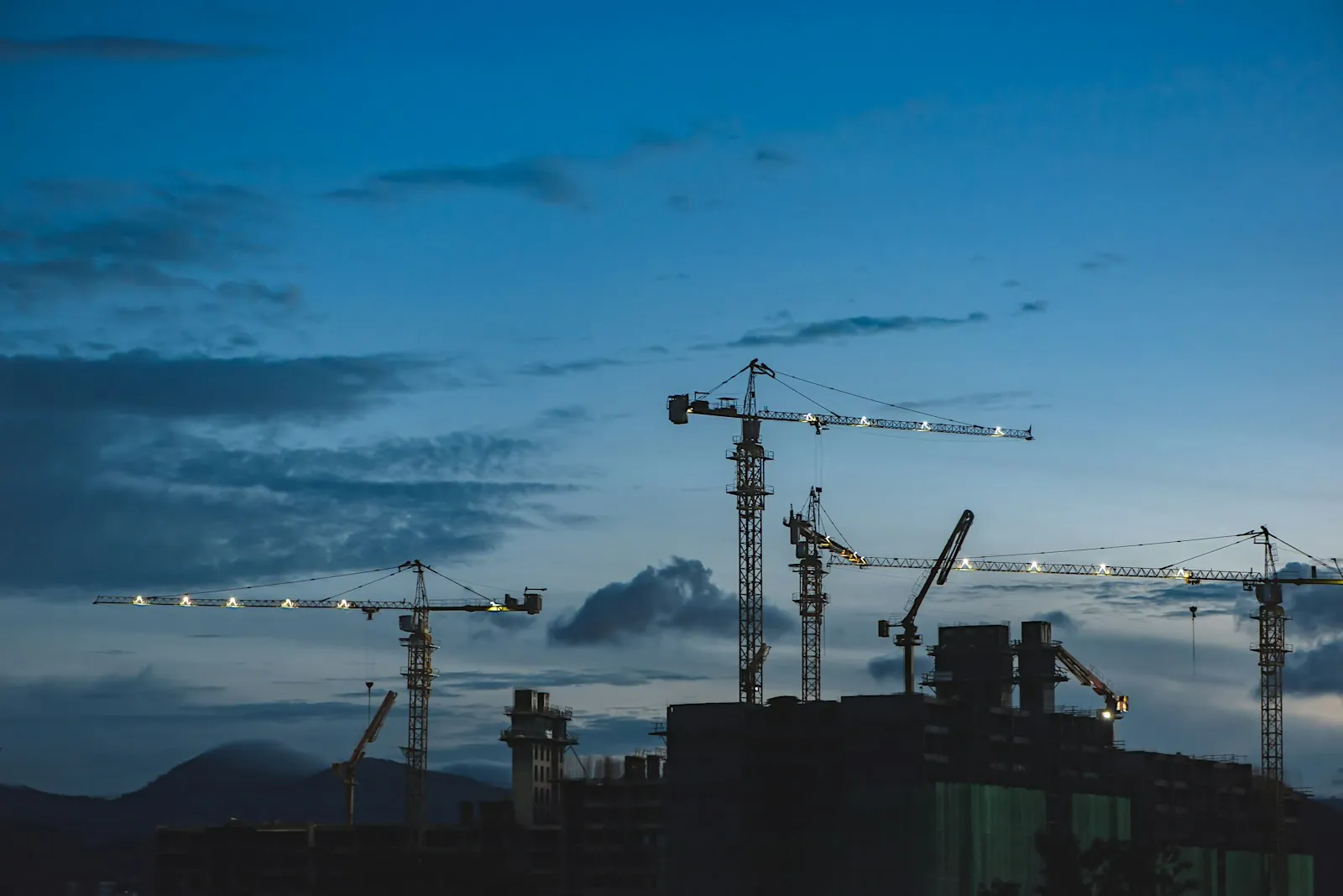
Whether you are buying a new apartment or building a villa, understanding how construction works in Oman helps you judge quality and avoid problems. Here is the process, the rules and what to check.
Who is involved
- The owner or developer, who must hold title to the land.
- A licensed engineering consultant, who designs the building, obtains approvals and supervises construction.
- A licensed contractor, registered with the Ministry of Commerce and graded by size and capability.
- The municipality (Muscat Municipality in the capital, regional municipalities elsewhere), which issues building permits and completion certificates.
- Civil Defence, utilities (electricity and water) and, for larger projects, the environment authority.
The permit process
- 1. Land documents: title deed and the site plan (krooki) with permitted use and building limits.
- 2. Design: the consultant prepares architectural, structural and services drawings to the municipality's regulations.
- 3. Approvals: municipality building permit, Civil Defence approval for fire safety, and utility connection approvals.
- 4. Construction: the contractor builds under the consultant's supervision; municipality inspectors check key stages.
- 5. Completion: a completion certificate is issued, after which utilities are connected and, for sales, titles are registered.
Building without a permit, or beyond what was approved, can lead to fines and demolition orders, and Muscat Municipality has stepped up enforcement.
Design rules
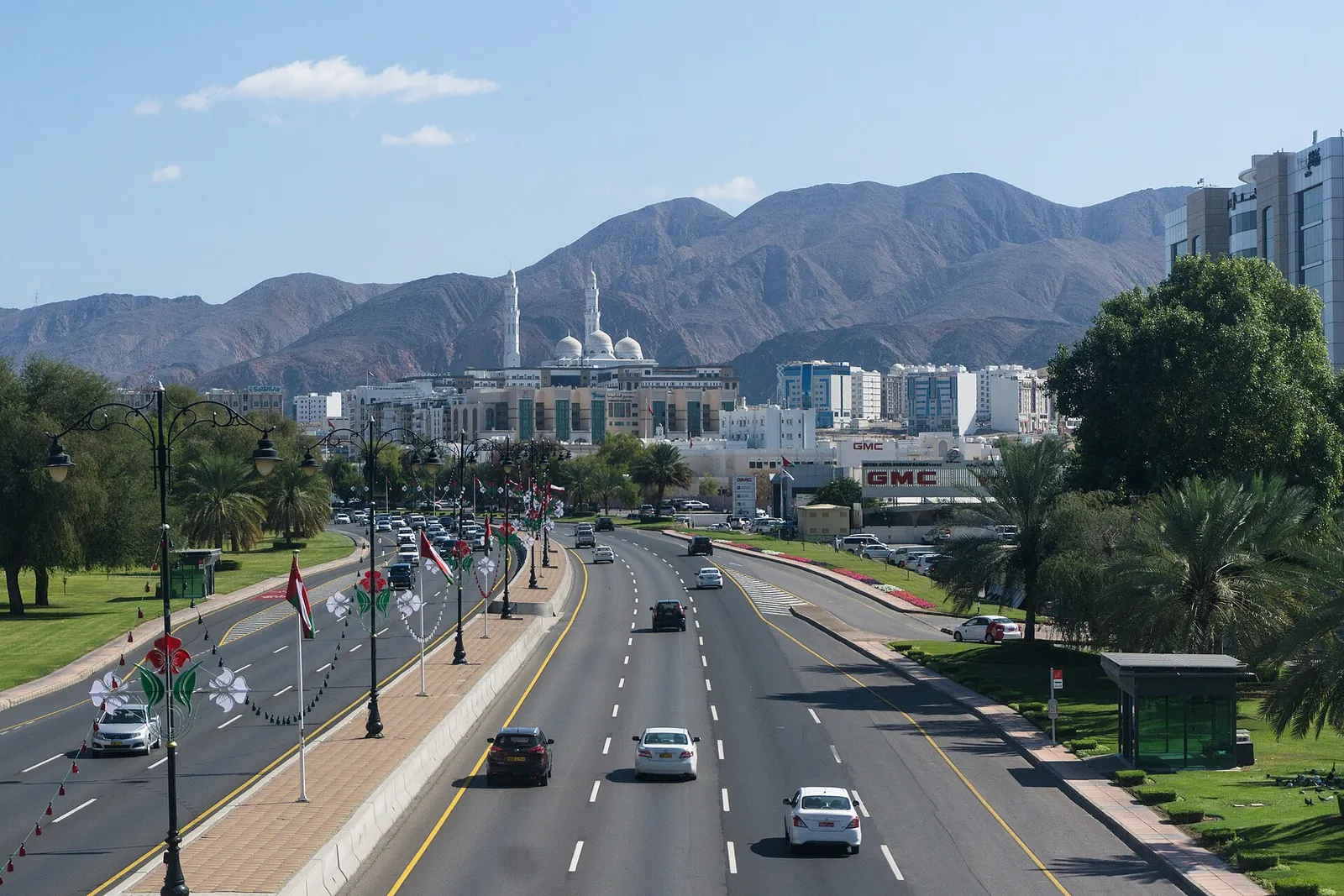
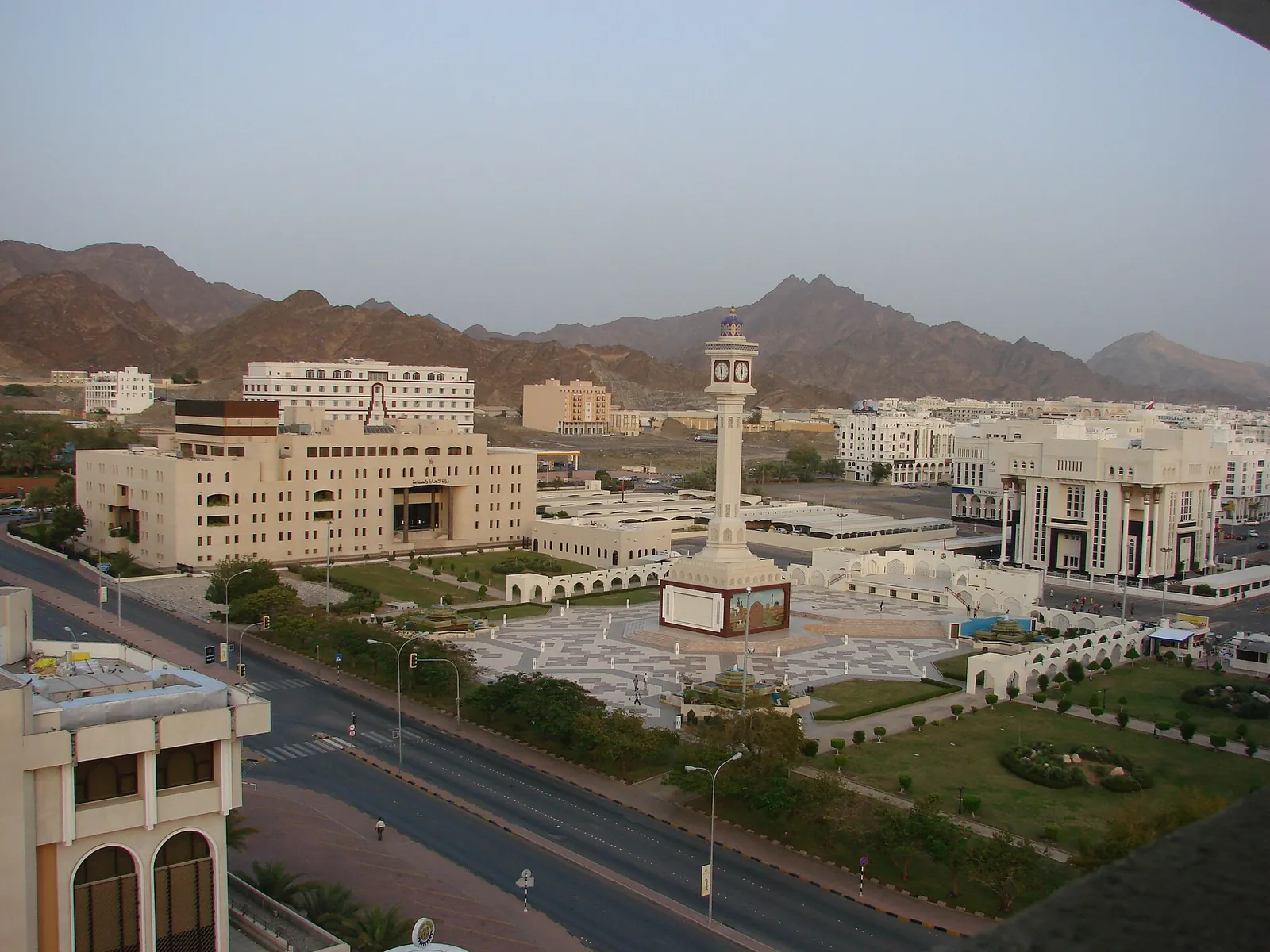
Oman controls the look of its cities. In Muscat, building heights are limited in most areas, facades are usually white or light-coloured, and architectural elements inspired by Omani and Islamic tradition, such as arches and crenellations, are encouraged or required. Setbacks, parking and plot coverage are fixed by zoning.
Materials and climate
Most buildings use a reinforced concrete frame with concrete block walls, plastered and painted. Because of the heat, humidity and salty air near the coast, good projects use thermal insulation (required for new buildings in Muscat), double glazing, sulphate-resistant concrete and proper waterproofing of roofs and wet areas. Air-conditioning design and maintenance are crucial.
Buying off-plan safely
- Check that the project has the required approvals and that you are buying in an area open to foreign ownership.
- Ask how your payments are protected (escrow or project accounts) and link payments to construction progress.
- Read the contract's clauses on delays, specification changes and defects liability.
- Use the 2026 registry law's preliminary registration to record your purchase before handover.
Snagging at handover
Inspect before you accept the keys: cracks, damp, waterproofing, AC performance, electrical and plumbing, finishes, doors and windows. A professional snagging inspection costs little compared with the cost of fixing problems later, and developers usually provide a defects period.
How R2LUX helps
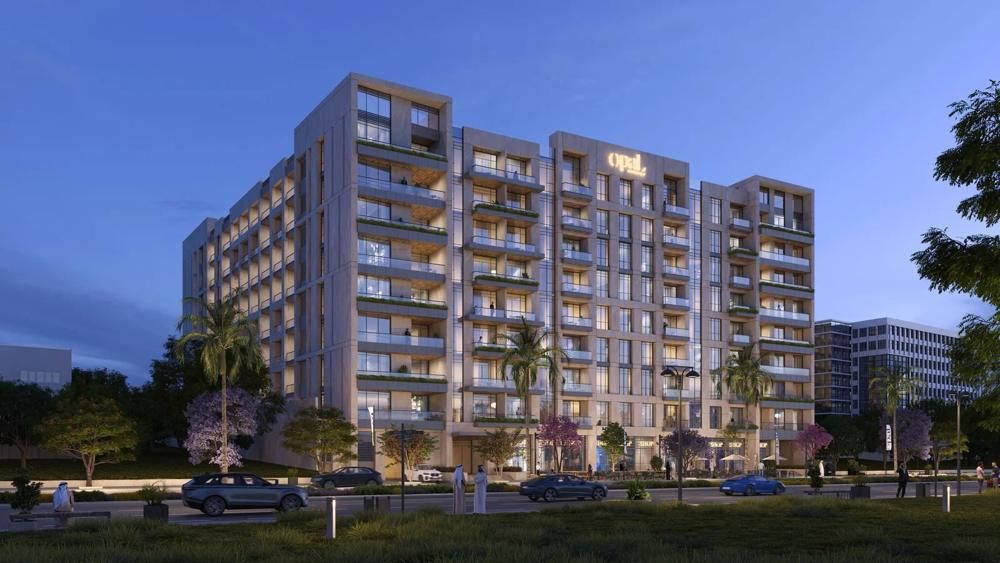
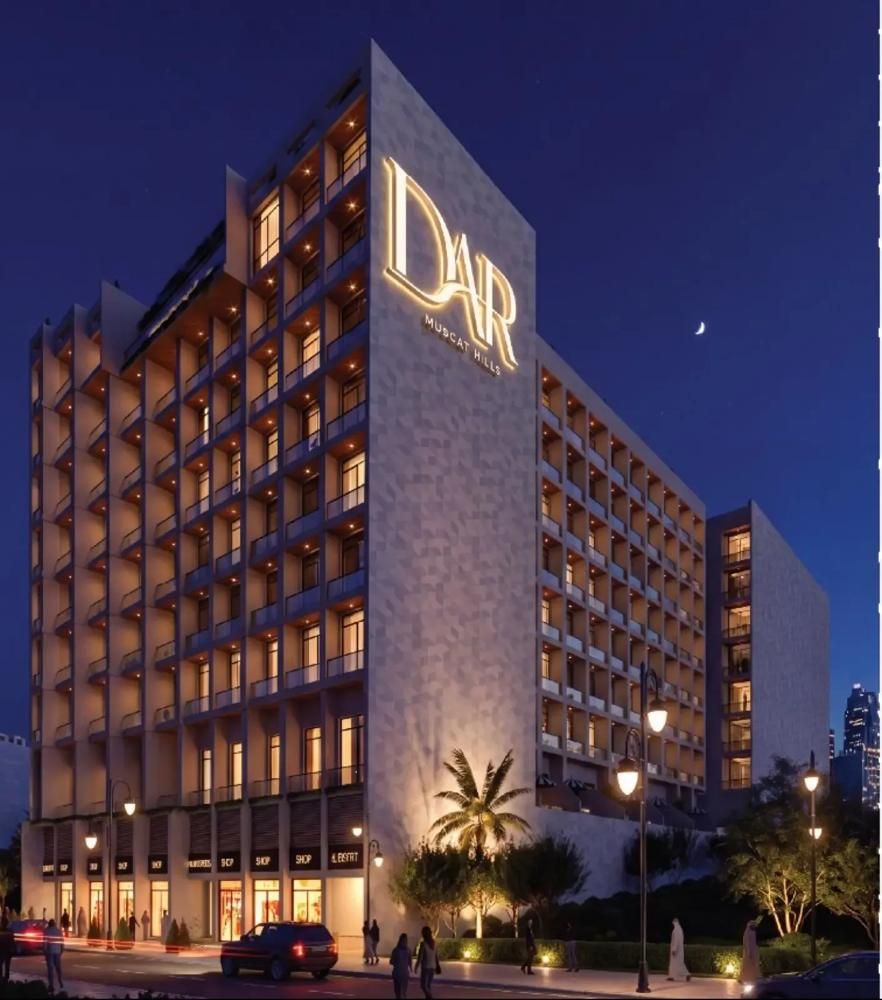
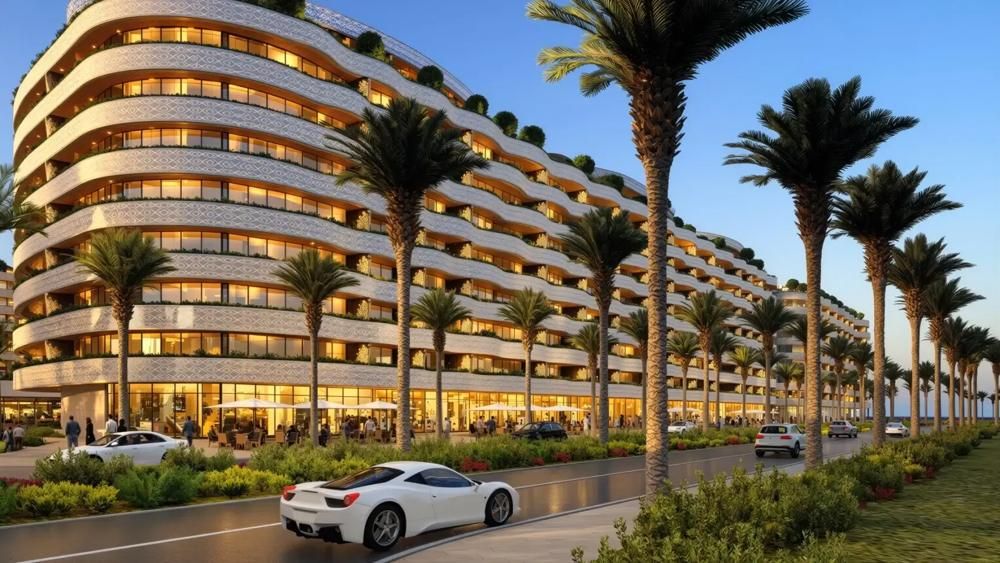
We only sell projects from established developers and help buyers through handover inspections. Three current projects are listed below.
 Customs in Oman: allowances for travellers and import rules for business
 Advertising in Oman: media, social media and influencer rules for businesses
 Oil and gas in Oman: the industry that built the modern state