Natural gas and LNG in Oman: from Qalhat to the world
How Oman produces and exports liquefied natural gas, the role of Oman LNG at Qalhat near Sur, and what gas means for the economy.
2026-10-19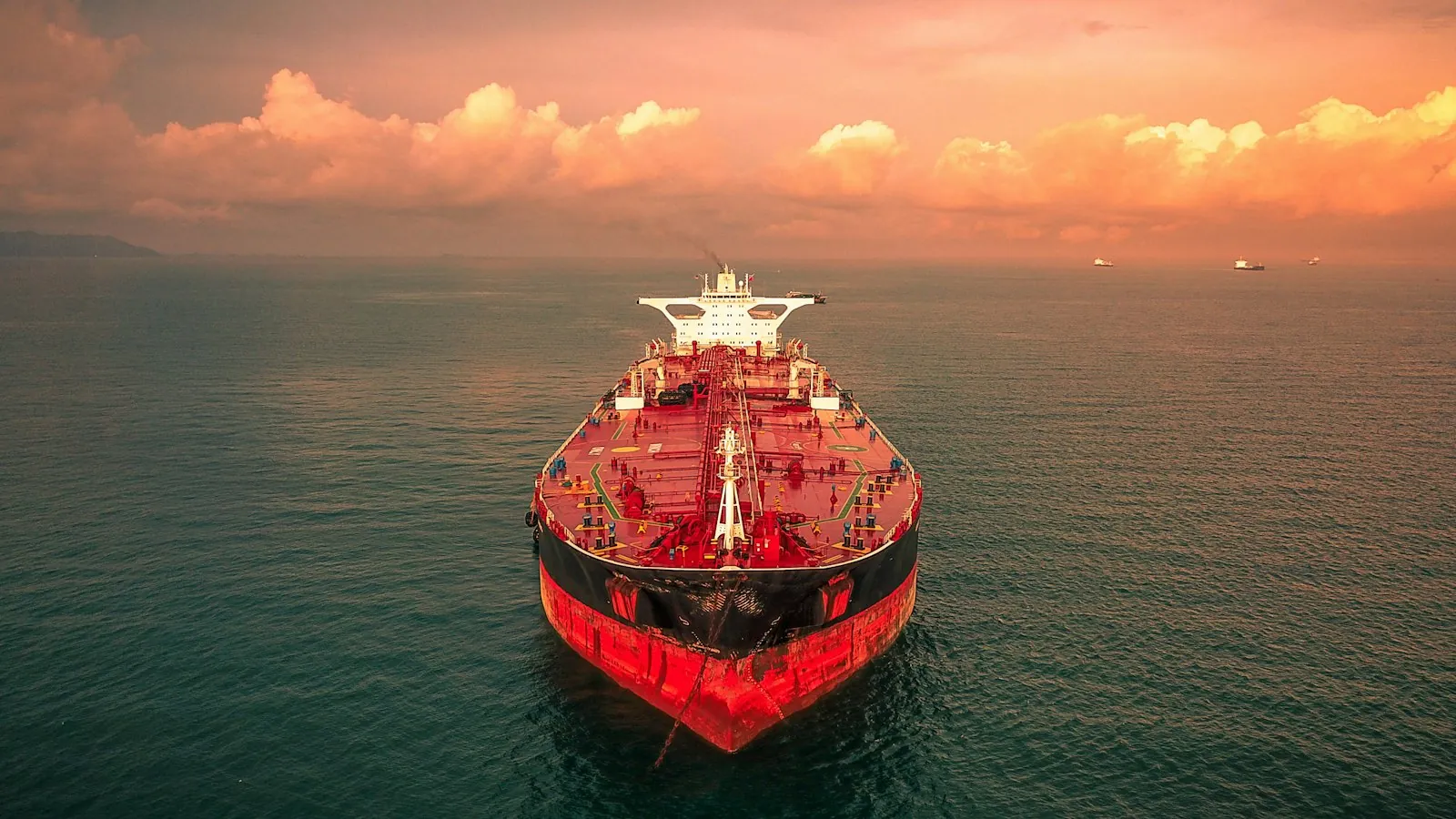
Natural gas has become as important to Oman as oil. It powers electricity and desalination plants, feeds industry in Sohar and Sur, and is exported as liquefied natural gas (LNG) to customers mostly in Asia.
Oman LNG
Oman LNG operates the liquefaction plant at Qalhat, near Sur, on the east coast. Gas is piped from fields in the interior, cooled into liquid and loaded onto tankers. The company is majority government-owned, with international shareholders including Shell and TotalEnergies, and supplies long-term contracts with buyers in Japan, Korea and other markets.
Gas fields
Large tight-gas fields such as Khazzan (operated by BP) and other developments in the interior have increased production, making Oman a significant gas producer for its size.
Domestic use
Gas fuels most of Oman's power and water production and is a feedstock for fertiliser, petrochemical and metals industries. Keeping enough gas for domestic growth while maintaining exports is a key policy balance.
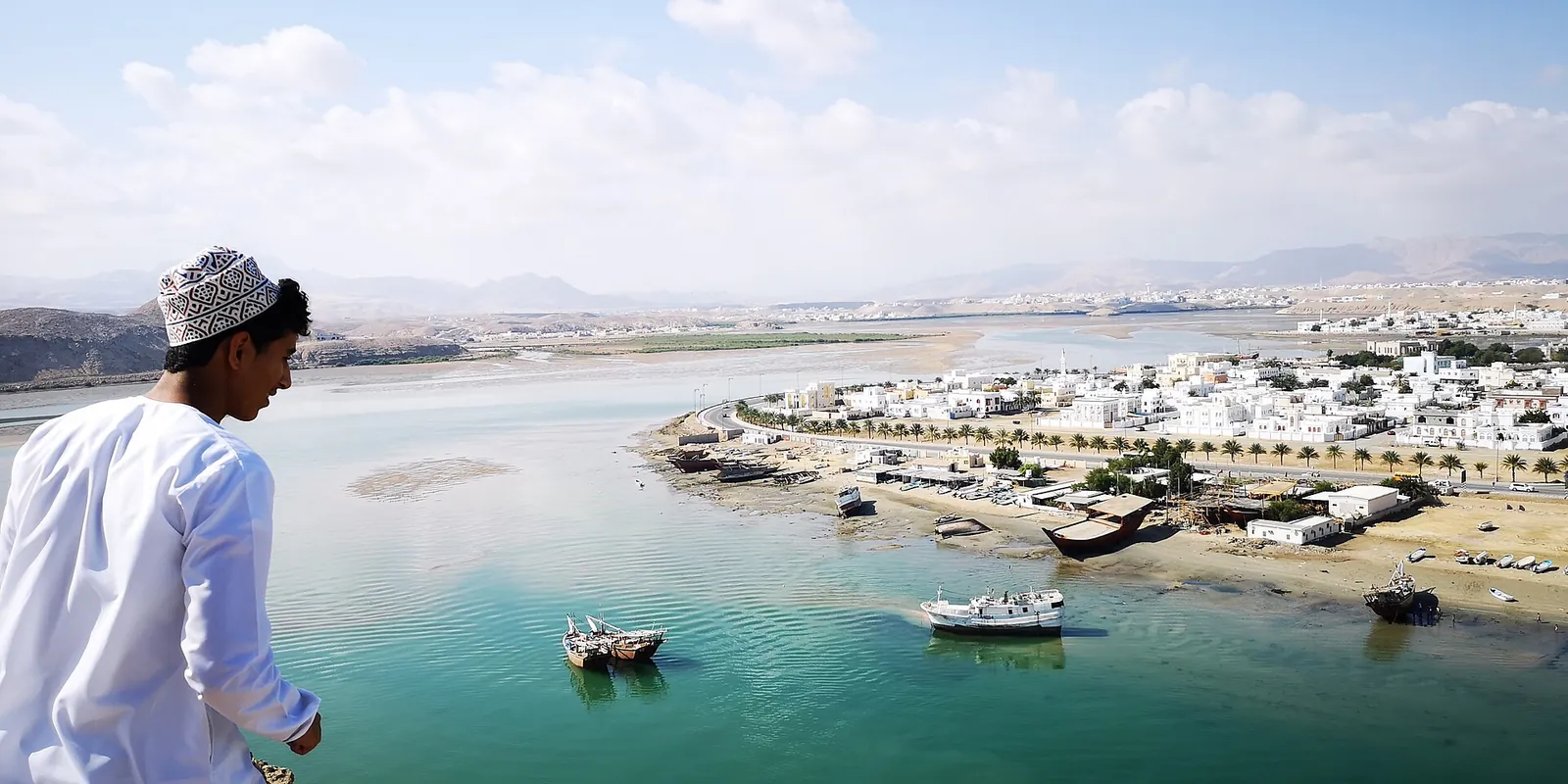
Jobs and Sur
The LNG complex is a major employer in Sur, attracting engineers and technicians and supporting local contractors and services.
The future
Gas is expected to remain a bridge fuel while Oman develops solar, wind and green hydrogen.
How R2LUX helps
Sur is an hour and a half from Muscat Bay and Yiti, our closest communities with ownership rights. Current listings are below.
 Oil and gas in Oman: the industry that built the modern state
 Customs in Oman: allowances for travellers and import rules for business
 Advertising in Oman: media, social media and influencer rules for businesses