Buying an apartment in Oman as a foreigner: the complete 2026 guide
Where foreigners can legally buy, which title you actually get, the real costs on top of the price, the residency that comes with it, and the steps from reservation to title deed.
2026-10-19
Oman is one of the few Gulf countries where a foreigner can buy a home, hold a title deed in their own name and get a residence permit because of it. The rules are clear once you know them, but they are not the same everywhere in the country, and 2026 brought two important changes: a new Real Estate Registry Law and sponsor-free residency for property owners. This guide puts all of it in one place.
Where foreigners are allowed to buy
Non-Omanis cannot buy anywhere they like. In June 2026 the Ministry of Housing and Urban Planning confirmed that foreign ownership is still limited to designated locations, even after the residency changes. Today those locations are:
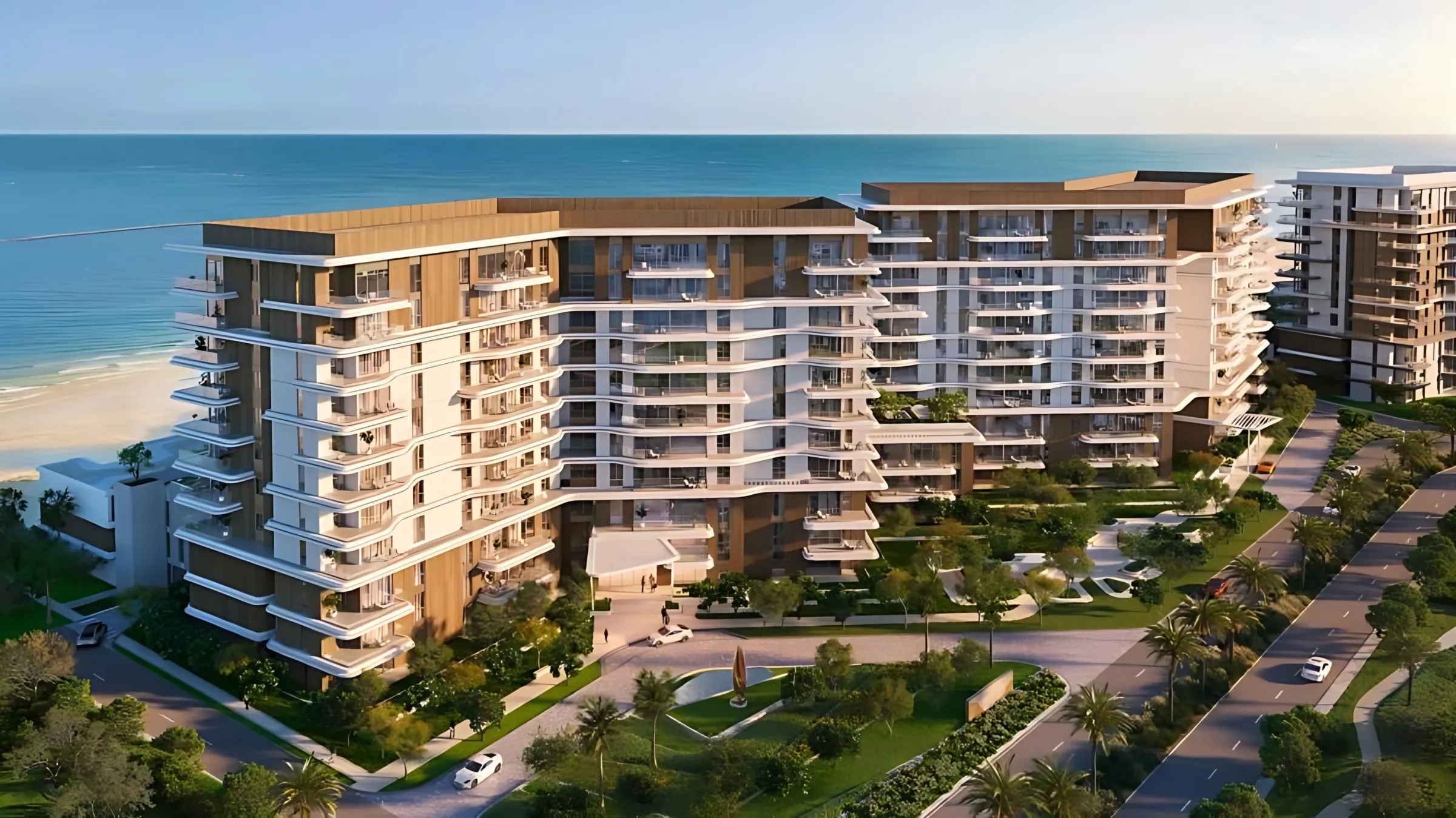
- Integrated Tourism Complexes (ITCs) such as Muscat Bay, Al Mouj, Muscat Hills, Jebel Sifah, Yiti and Aida. This is where most foreign buyers purchase, and where the title is full ownership registered in the buyer's name.
- The new planned cities: Sultan Haitham City, Al Thuraya City and Al Jabal Al Aali.
- Integrated residential neighbourhoods approved for foreigners, including Surouh.
- Apartments in qualifying multi-storey buildings outside ITCs, held as a long usufruct right (explained below).
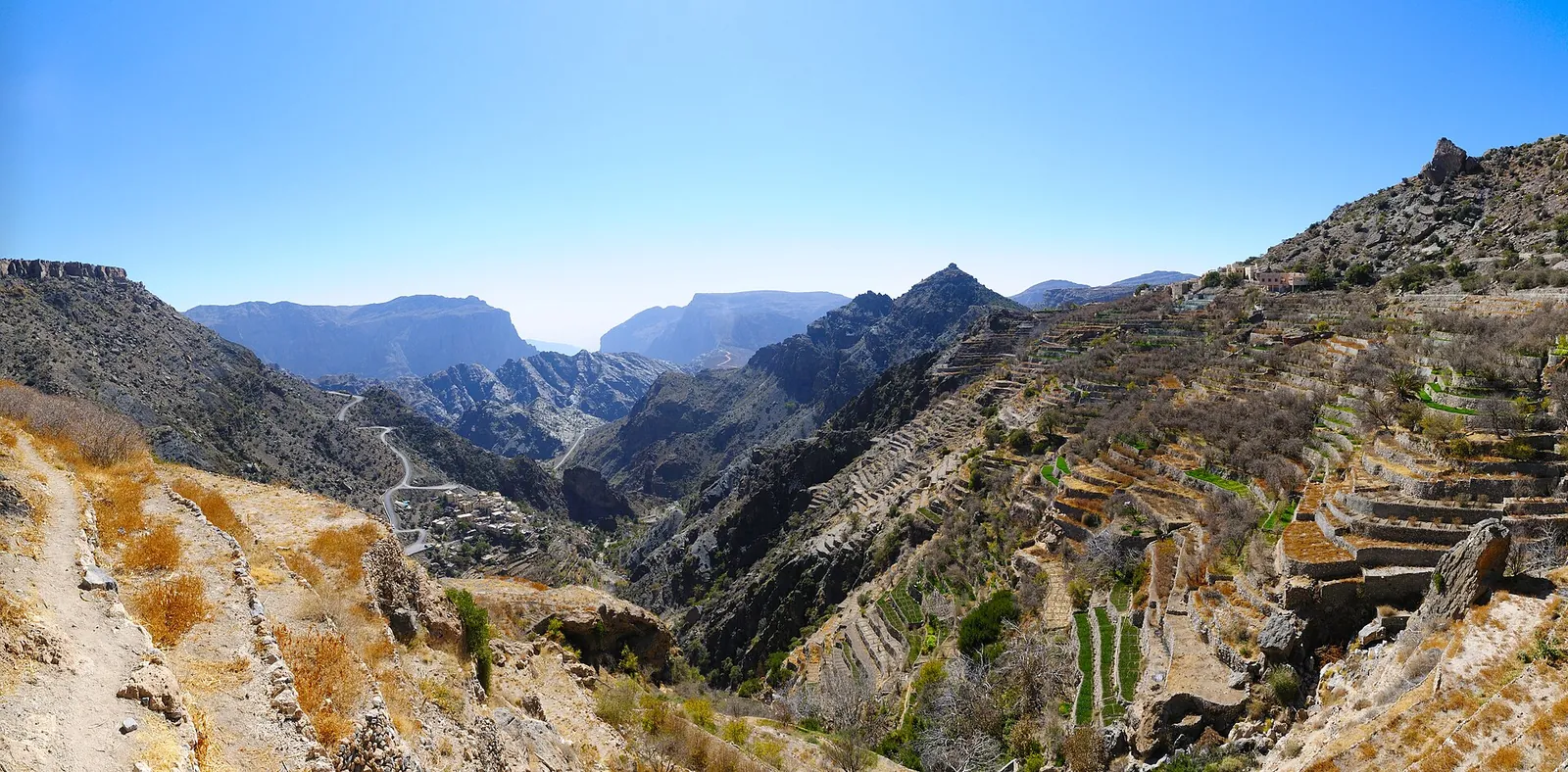
Some areas are closed to non-Omanis by Royal Decree 29/2018, including land near palaces and military sites, islands, strategic mountains such as Jebel Akhdar and Jebel Shams, and archaeological zones. A legitimate developer project for foreigners will never sit in one of them, but it is the first thing a lawyer checks.
Freehold in an ITC versus usufruct outside
Inside an ITC you receive a title deed from the Ministry of Housing in your own name. You can sell it, rent it, mortgage it and leave it to your heirs. If you buy an empty plot, the ITC law requires you to finish building within four years, otherwise the ministry can take the land back and auction it.
Outside ITCs, Ministerial Resolution 357/2020 lets foreigners buy apartments in mixed-use buildings of at least four floors. You get a usufruct right of 50 to 99 years, renewable and inheritable, and you can sell or rent it after four years of ownership. The unit price has to be at least OMR 45,000 in Muscat, and foreigners together cannot hold more than 40% of the units in one building. Some conditions have also applied to the buyer, such as a minimum age and prior residence in Oman, so check them at the time you buy.
For most international buyers the ITC route is simpler, more liquid and the one that comes with residency, which is why almost every project we sell is inside an ITC or one of the new cities.
What changed in 2026
The Real Estate Registry Law came into force in May 2026. Electronic records and digital contracts now carry the same legal weight as paper deeds, and the law recognises preliminary registration for off-plan sales. In practice that protects buyers who pay during construction and makes it possible to prove ownership before handover. Its executive regulations are still being finalised, and the ministry has stated it does not by itself open new areas to foreigners.
Royal Oman Police Decision 87/2026, in force since 22 June 2026, lets foreign property owners hold residence without a local sponsor. It is covered in detail in our residency guide, but the headline is simple: owning a home in Oman now gives you and your first-degree family the right to live there for as long as you own it.
What it really costs
The price on the brochure is not the whole bill. Budget for:
- Registration fee of about 3% of the property value, paid to the Ministry of Housing when the title or usufruct is registered.
- Developer admin and owners' association fees, which vary by project.
- Legal fees if you use your own lawyer (recommended for resale purchases).
- Bank and valuation fees if you use a mortgage.
All in, buyers typically spend about 5% to 8% on top of the price, closer to 5% for a cash purchase directly from a developer and closer to 8% with a mortgage and extra legal work. There is no annual property tax on a home you live in. Personal income tax starts in Oman in 2028, but only at 5% on income above OMR 42,000 a year, and the sale of a primary or secondary residence is exempt.
Running costs after handover are service charges (set per square metre by the community), utilities, insurance (often OMR 120 to 400 a year) and, if you rent the home out, the municipal fee on registered leases.
Buying step by step
- 1. Choose the project and unit. Compare handover date, payment plan, view and service charges, not just price per square metre.
- 2. Reserve. You sign a reservation form and pay a deposit, usually a small percentage or a fixed amount, which takes the unit off the market.
- 3. Sign the sale and purchase agreement (SPA). It sets the payment schedule, specifications, handover date and penalties. Read the clauses on delays and on resale before handover.
- 4. Pay by instalments. Off-plan projects usually split the price into construction-linked instalments, with the balance on handover.
- 5. Preliminary registration. Under the 2026 law, off-plan purchases can be registered before completion, which is what lets you apply for residency early.
- 6. Handover and title deed. After the final payment and snagging inspection you receive the keys and the title is issued in your name.
- 7. Residency. Apply for the owner residence permit through the Royal Oman Police once your ownership is certified.
You do not need to live in Oman to buy, and the whole process can be done remotely with a power of attorney, although most buyers visit at least once.
Mortgages for foreigners
Several Omani banks, including Bank Muscat, National Bank of Oman and Bank Dhofar, lend to foreign buyers in approved projects, usually for up to 20 years and subject to residency and income checks. Many developers also offer interest-free payment plans that stretch past handover, which for many buyers works out better than a mortgage.
Mistakes to avoid
- Buying a unit outside a designated area because the price looks attractive. If the title cannot be registered in your name, the deal is worthless.
- Comparing projects only by price per square metre. Service charges, handover risk and resale demand matter more over ten years.
- Ignoring the payment plan. A plan with a large share due on handover changes your cash needs completely.
- Assuming residency is automatic. You still need to apply, and the permit ends when you sell.
How R2LUX helps
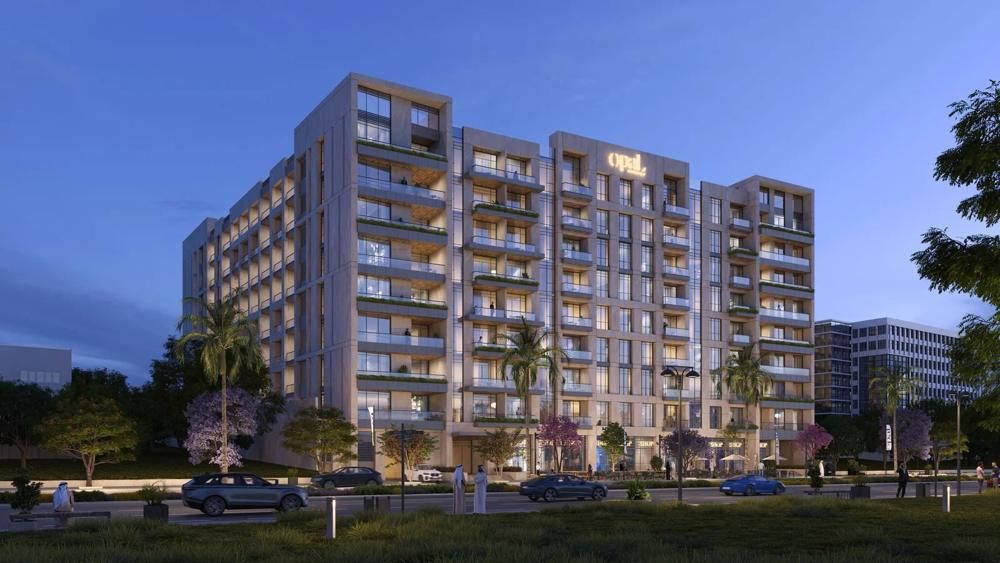
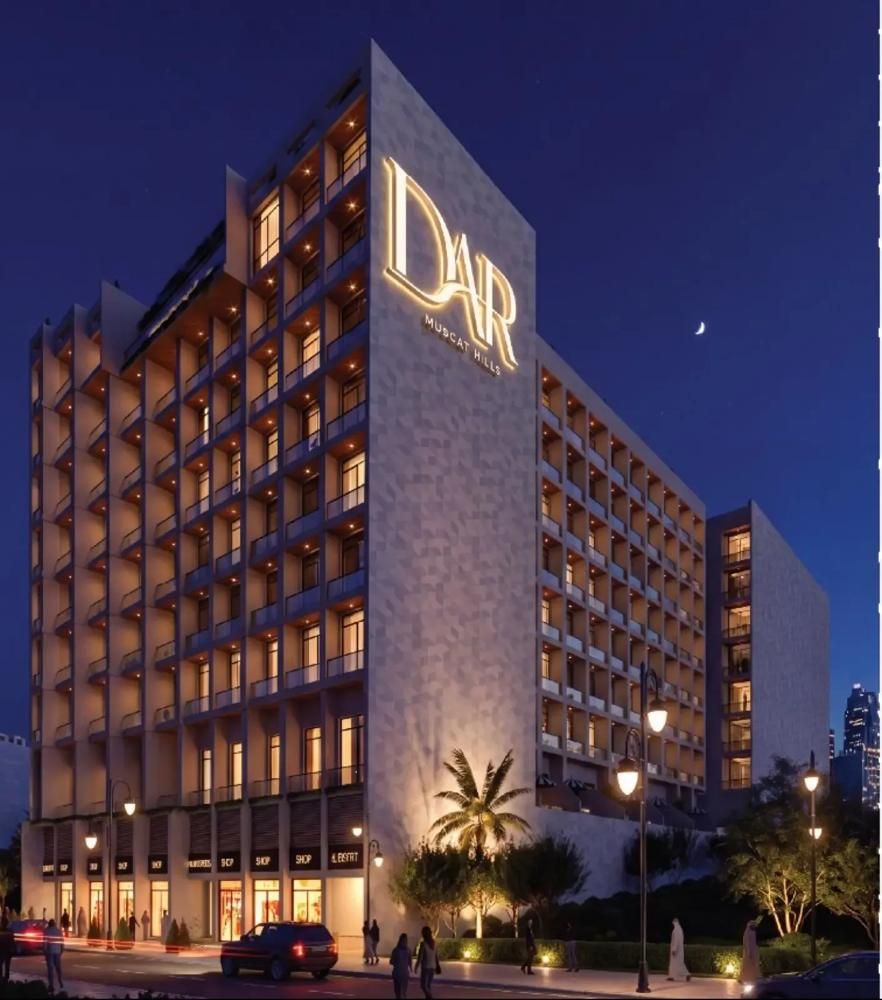
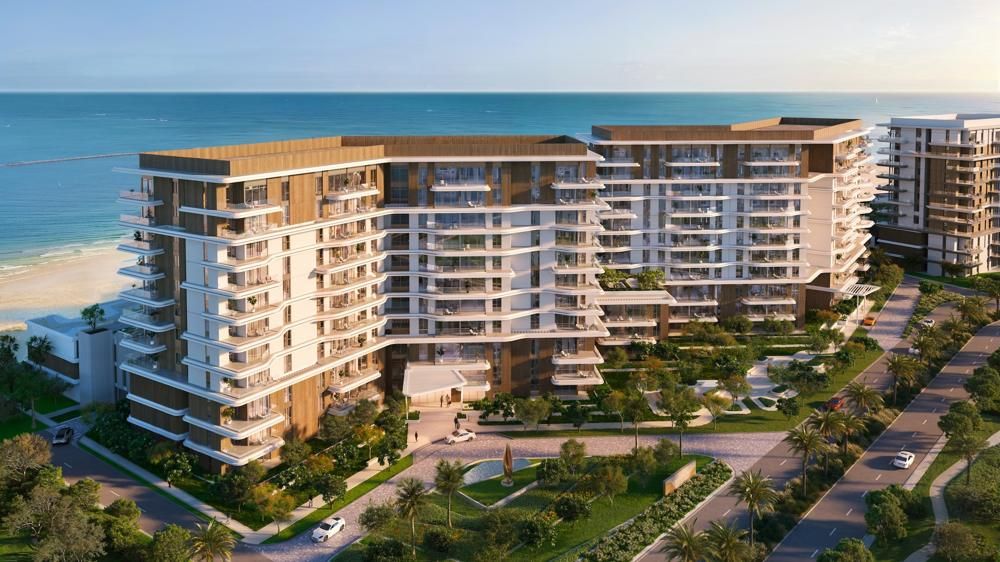
We sell only projects in areas where foreigners can register ownership, and we walk you through each step above, from choosing a unit to the residence permit. Below are three units available right now; every listing on our site shows the live price and status.
 Restrictions for foreigners in Oman: property, business, jobs and areas you need to know
 Investing in Oman: property, business and the numbers that matter in 2026
 Property fees and taxes in Oman: the full cost of buying, owning and renting out