Cost of living in Oman 2026: rent, bills, food, schools and a real monthly budget
How much it costs to live in Muscat and the rest of Oman: rent by area, utilities, groceries, transport, school fees and sample budgets for a single person and a family.
2026-10-19
Oman is noticeably cheaper than Dubai or Doha, especially for housing, and fuel and utilities are modestly priced. Your budget depends mostly on two decisions: where you live and whether your children go to an international school. These figures, in Omani rials (1 OMR is about 2.60 US dollars), come from current cost-of-living data and market prices.
Monthly budgets at a glance
| Household | Including rent | Excluding rent |
|---|---|---|
| Single person | about OMR 805 | about OMR 520 |
| Couple | about OMR 1,140 | – |
| Family of four (no school fees) | about OMR 1,600 | about OMR 1,225 |
These are middle-of-the-road averages. A comfortable expatriate lifestyle in a premium community will cost more, a modest one in an older neighbourhood less.
Housing
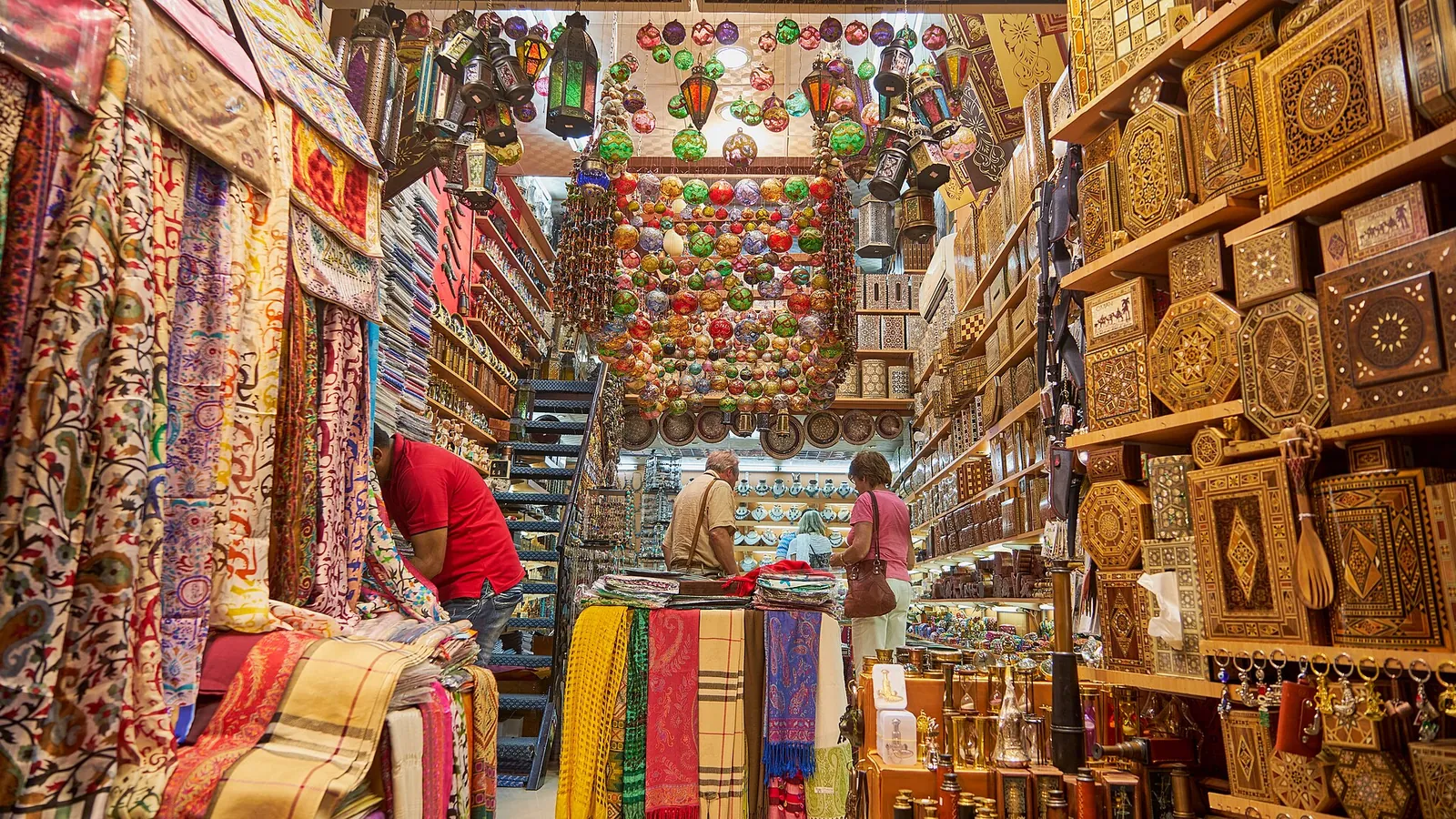
Housing is the biggest item. The average rent in Muscat data sets is around OMR 290 a month, within a range of about OMR 190 to OMR 420, which reflects one- and two-bedroom apartments in ordinary neighbourhoods. In premium communities such as Al Mouj, Muscat Hills, Qurum or Muscat Bay, expect considerably more for larger apartments and villas. Leases are usually annual, often paid with post-dated cheques, and registered with the municipality, which charges a fee on the rent.
This is also why buying is attractive: with developer payment plans, a monthly instalment on a new apartment can be comparable to rent for a similar unit, and ownership brings residency.
Utilities and connectivity
- Electricity: about OMR 28 a month on average, much higher in summer when air conditioning runs constantly.
- Water: about OMR 5.
- Gas: about OMR 2 to 3.
- Home internet and TV: about OMR 26 to 60.
- Mobile plan: roughly OMR 10 to 20 for a generous data package.
Food and daily life
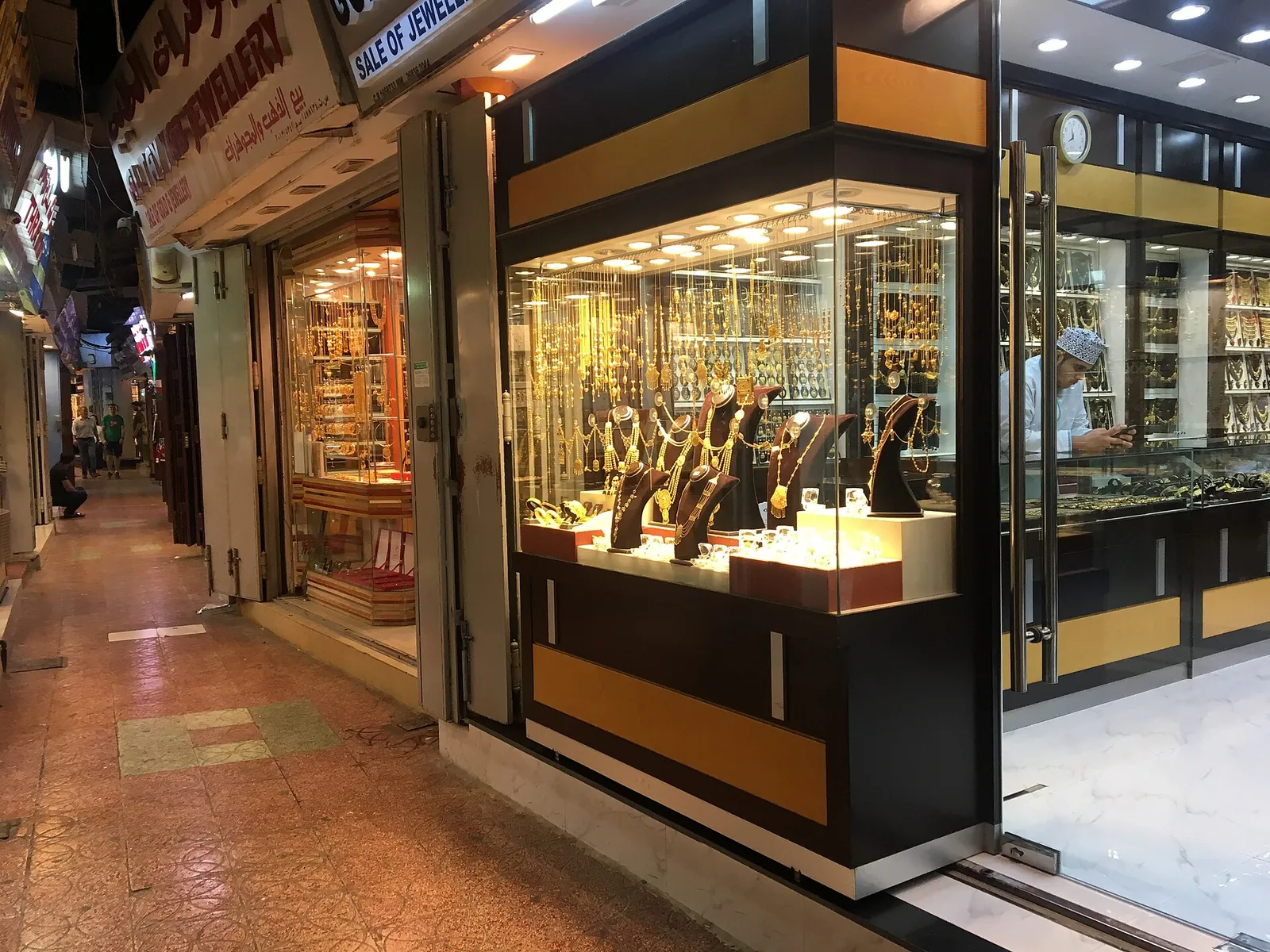
Groceries for one person average about OMR 135 a month, depending on how much imported food you buy. Local produce, fish, rice and bread are inexpensive; imported brands and alcohol (sold only in licensed outlets and hotels) are expensive. A meal in a casual restaurant is cheap, while hotel dining is priced like elsewhere in the Gulf.
Transport
Most residents drive. Petrol prices are capped by the government at low levels, so fuel is a small cost. A car, insurance and registration are the main expense; transport averages about OMR 65 a month in the data, with a wide range. Taxis and ride-hailing apps operate in Muscat, and Mwasalat runs buses within and between cities.
Schools and healthcare
International schools are the cost that changes a family budget. Fees range widely, from a few thousand rials a year at community schools to well over OMR 8,000 a year at top British, American and IB schools, plus registration and bus fees. Employers sometimes contribute. Health insurance is mandatory for residents and usually provided by employers; private consultations are moderately priced.
Ways to save
- Live close to work to cut driving in the heat and traffic.
- Choose a newer, well-insulated building: summer electricity bills drop significantly.
- Buy local produce and fish from markets.
- Consider buying instead of renting if you plan to stay three years or more.
How R2LUX helps
We help families compare the cost of renting with buying on a payment plan in the same community. Three current homes are listed below.
 Working in Oman: contracts, hours, leave and your rights under the 2023 Labour Law
 Income in Oman: salaries by sector, tax-free pay and what changes in 2028
 Why Oman Has Become a Key Destination for Investment and Property Buying in the Region