Muscat: the complete guide to Oman's capital
How Muscat is laid out, what each part of the capital is like, the climate, getting around, cost of living and where foreigners can buy a home.
2026-10-19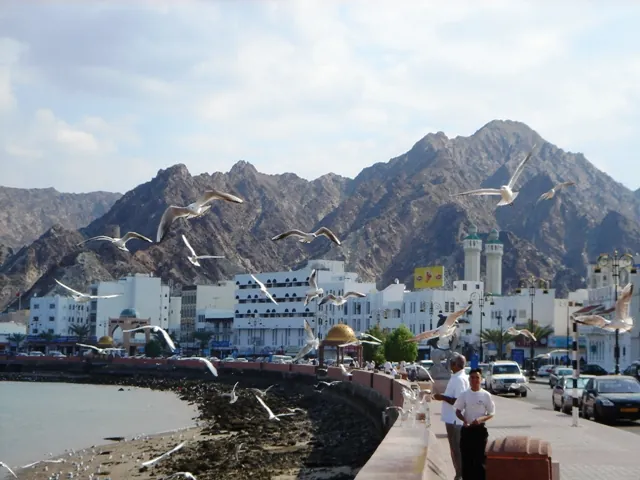
Muscat is not one compact city but a string of districts stretched for more than 50 kilometres between the Hajar mountains and the Gulf of Oman. It is the political and business capital of the Sultanate, home to about a third of the country's people, and one of the calmest, cleanest capitals in the Middle East. Low-rise by law, white by tradition and built around the sea, it feels very different from the glass towers of other Gulf cities.
How the capital is organised
Muscat Governorate has six wilayats (districts):
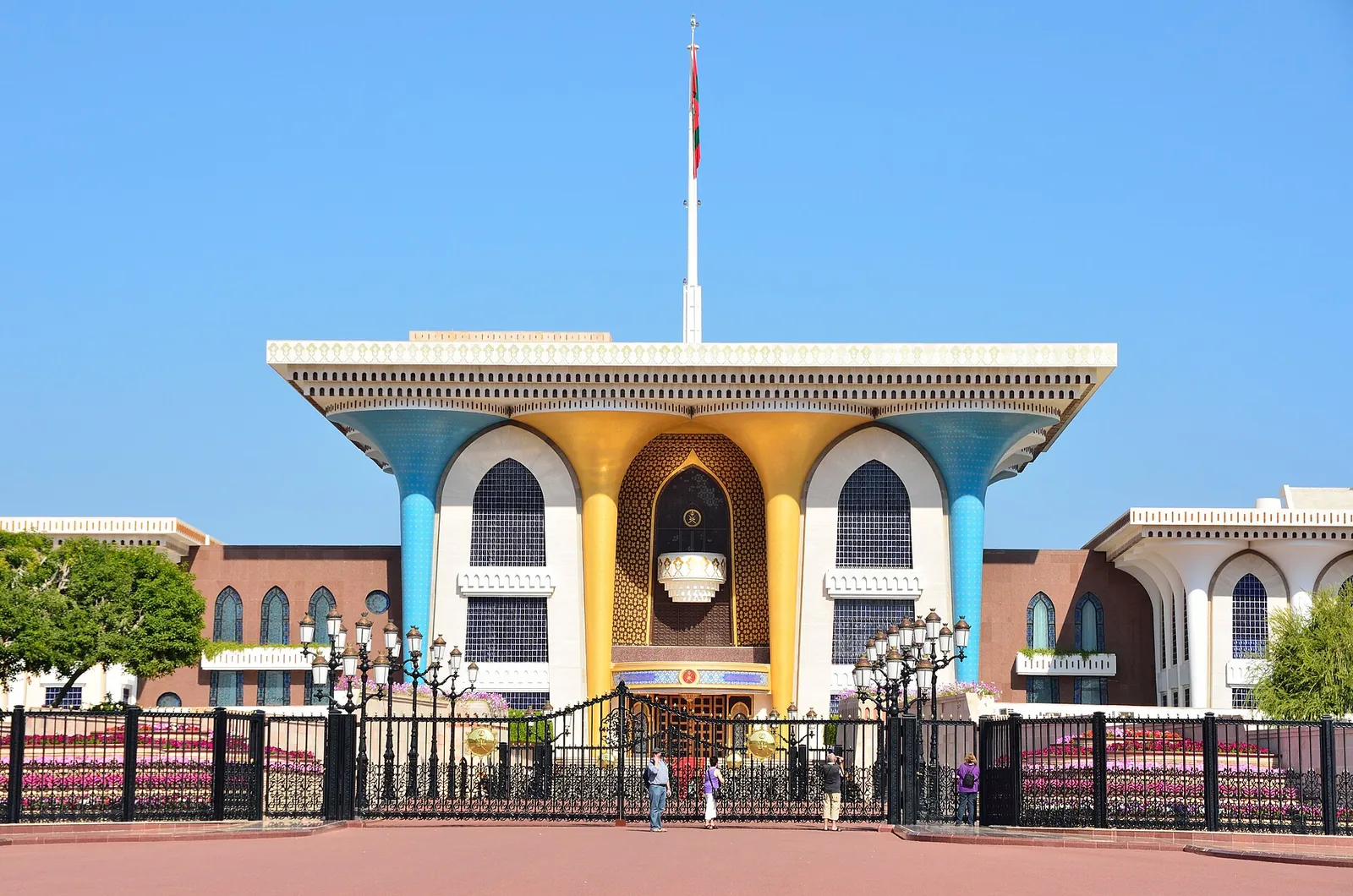
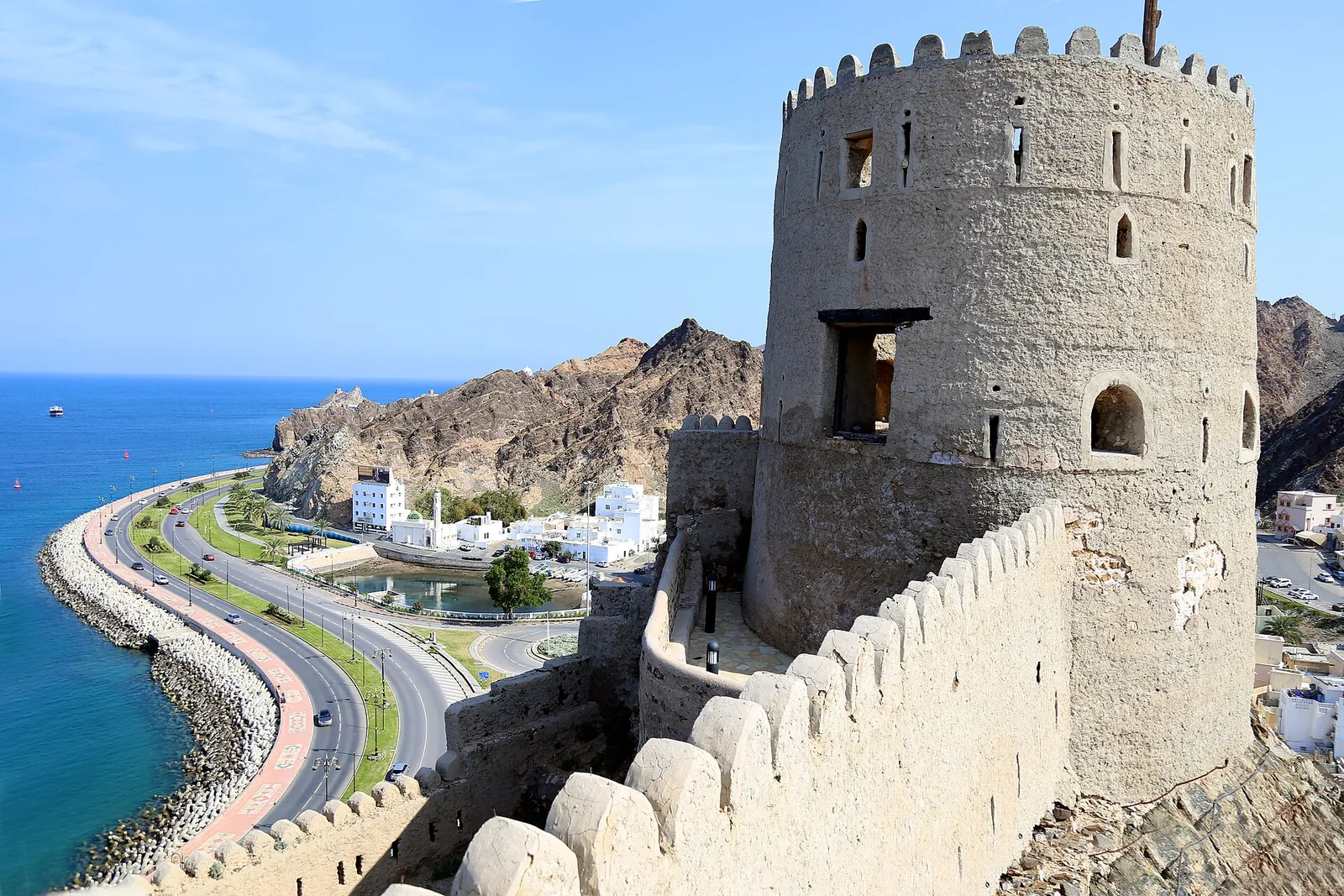
- Muscat: the old walled port with Al Alam Palace and the Portuguese forts of Al Jalali and Al Mirani. Small, historic and mostly ceremonial.
- Muttrah: the corniche, the souq, Port Sultan Qaboos and Ruwi, the older commercial centre.
- Bausher: Qurum, Madinat Sultan Qaboos, Al Khuwair, Ghubrah and the Grand Mosque. The administrative and diplomatic heart.
- Seeb: the largest and fastest-growing wilayat, with Al Mouj, Muscat Hills, Al Khoudh, Mabela, Muscat International Airport and Sultan Haitham City.
- Al Amerat: inland and quieter, with new residential districts.
- Qurayyat: a fishing town and coastline to the south-east.
Climate
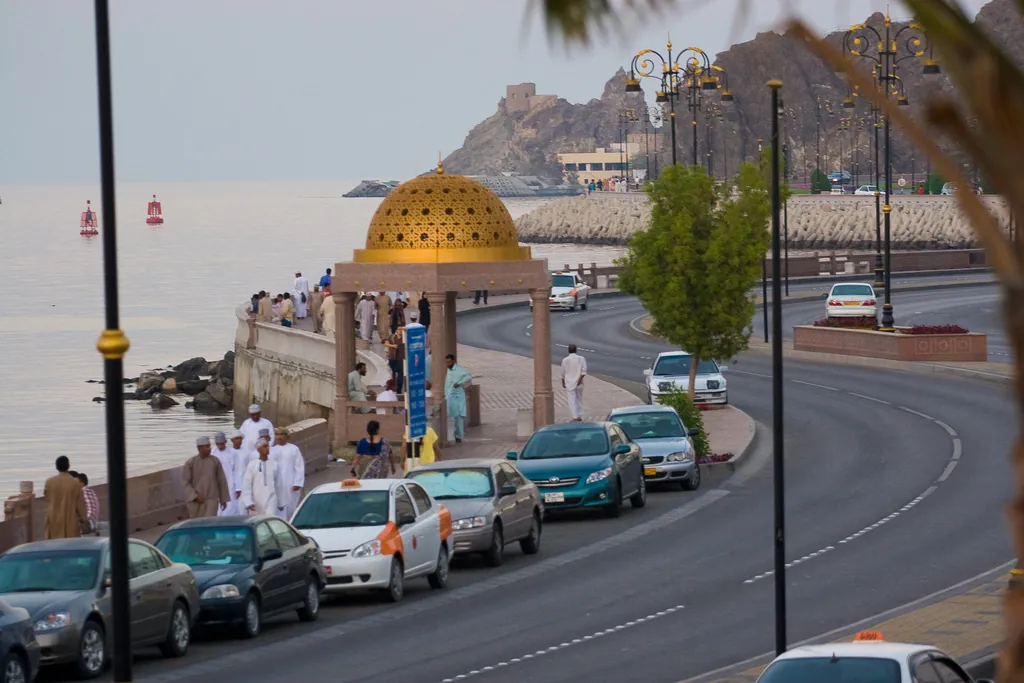
Muscat has a hot desert climate. From May to September daytime temperatures regularly pass 40°C with high humidity on the coast. From November to March the weather is ideal, around 20°C to 30°C, which is the high season for visitors and outdoor life. Rain is rare and comes in short bursts.
Getting around
Muscat is built for cars. Sultan Qaboos Street and the Muscat Expressway run the length of the city, and a drive from Seeb to Qurum takes about 20 to 30 minutes outside rush hour. Mwasalat runs city buses, and taxis and ride-hailing apps are widely used. Muscat International Airport connects the city to the Gulf, Europe, Asia and Iran.
Living in Muscat
Daily life is calm, safe and family-oriented. Expatriates make up a large share of the population, and English is widely spoken in business and shops. Major malls (Mall of Oman, Muscat Grand Mall, Avenues Mall), international schools, private hospitals and beaches are spread across the city. Compared with Dubai, rents and house prices are much lower and traffic much lighter.
Where to live
- Qurum and Shatti Al Qurum: central, on the beach, established and prestigious.
- Madinat Sultan Qaboos: green, quiet, popular with diplomats and families.
- Al Mouj: the city's marina district, with beach, golf and restaurants; foreigners can buy here.
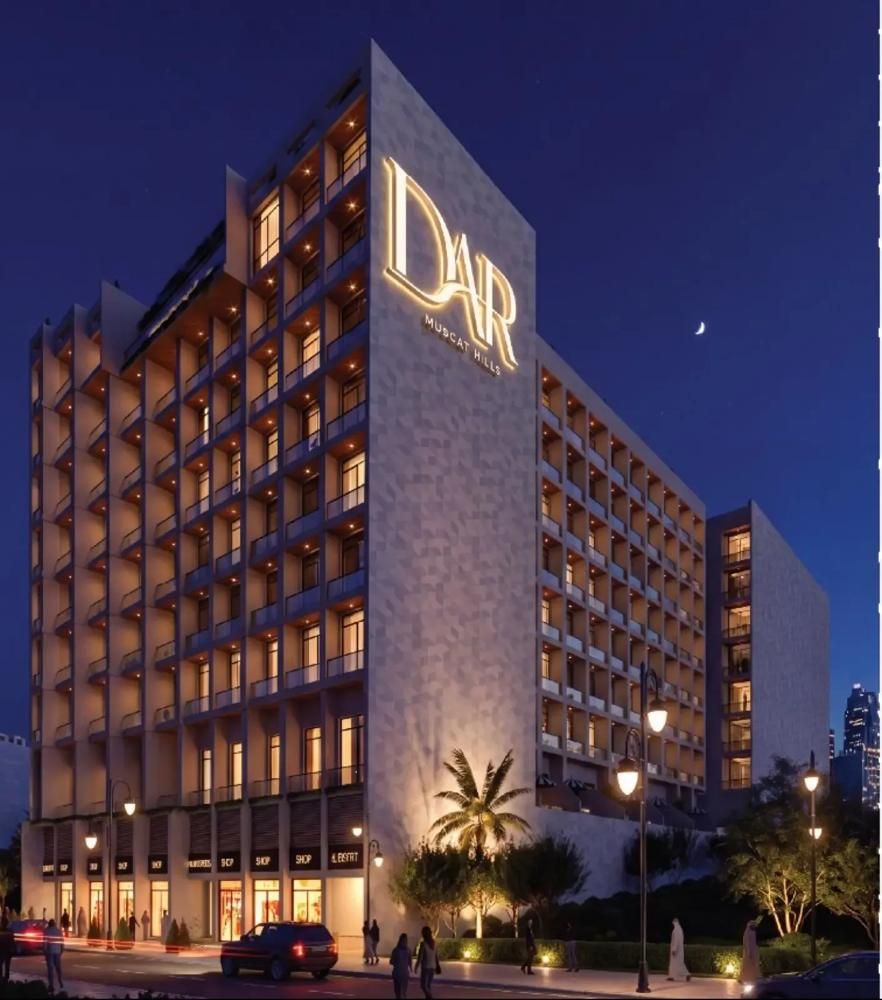
- Muscat Hills: a golf community near the airport; foreigners can buy here.
- Muscat Bay and Yiti: dramatic bays east of the city with resort living; foreigners can buy here.
- Al Khuwair and Ghubrah: central, practical and well connected to offices.
Each of these has its own guide in our neighbourhoods section.
Buying property in Muscat
Muscat has the largest choice of homes open to foreign buyers in Oman, almost all inside Integrated Tourism Complexes or the new planned cities: Al Mouj, Muscat Hills, Muscat Bay, Aida, The Sustainable City Yiti and Sultan Haitham City. A home in one of them brings sponsor-free residence for you and your family.
How R2LUX helps
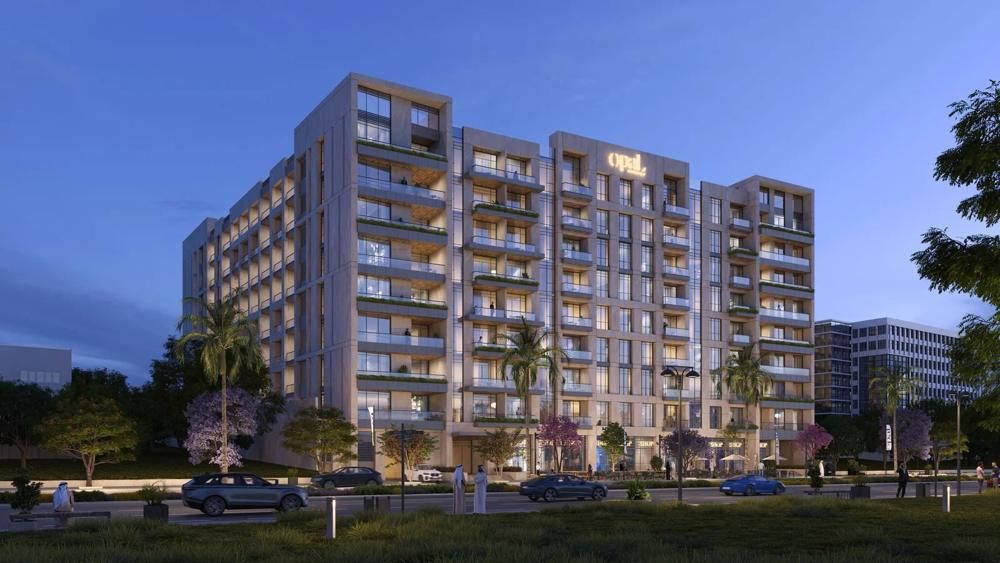
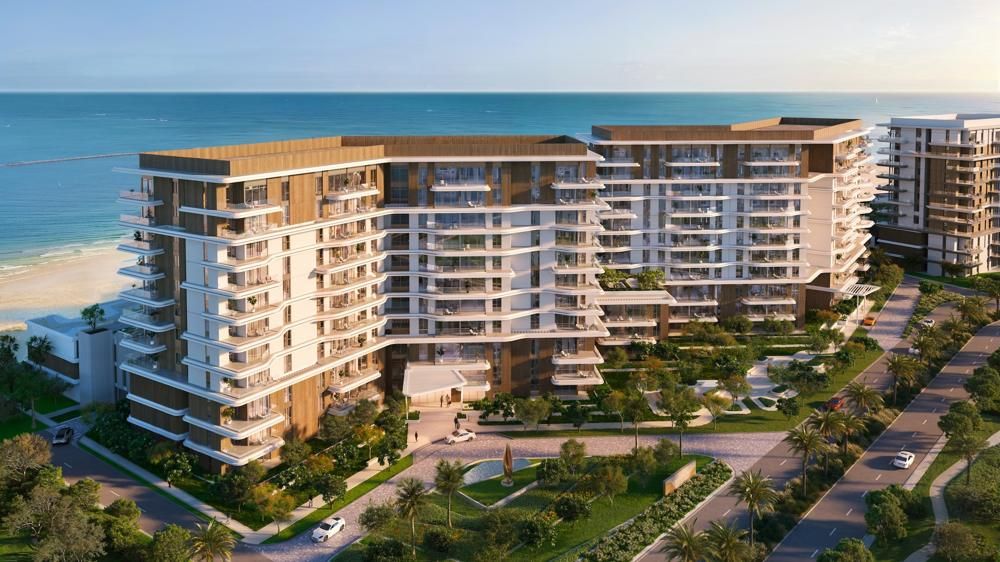
We sell homes in Muscat's best communities and help buyers choose the area that matches their lifestyle and budget. Three current listings are below.
 Salalah: Oman's green south, frankincense and the khareef
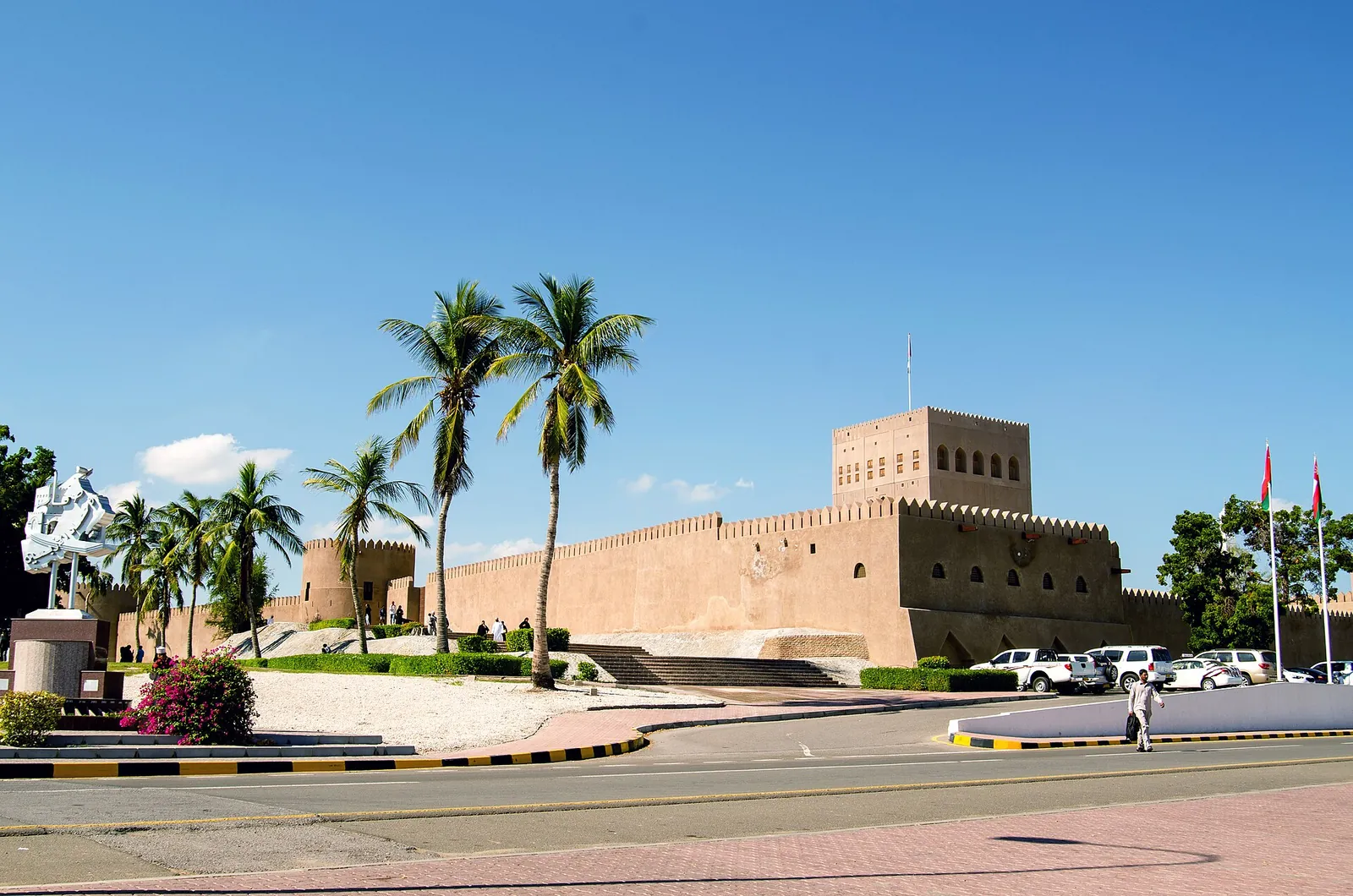 Sohar: Oman's industrial port city and its long seafaring past
 Nizwa: the historic heart of Oman's interior