Salalah: Oman's green south, frankincense and the khareef
Oman's second city lives by the monsoon. A guide to Salalah's history, the khareef season, the frankincense sites, the economy and life in Dhofar.
2026-10-19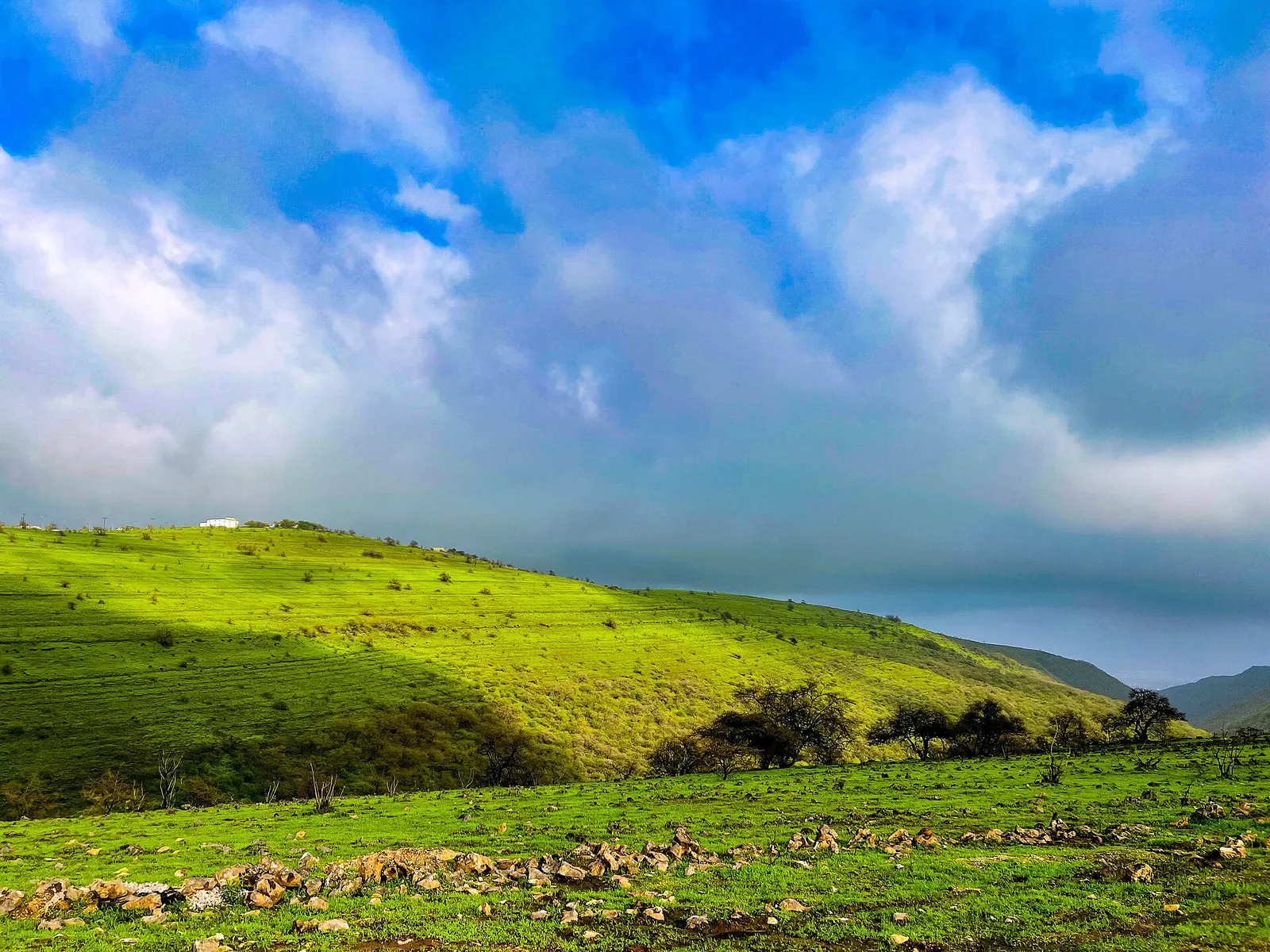
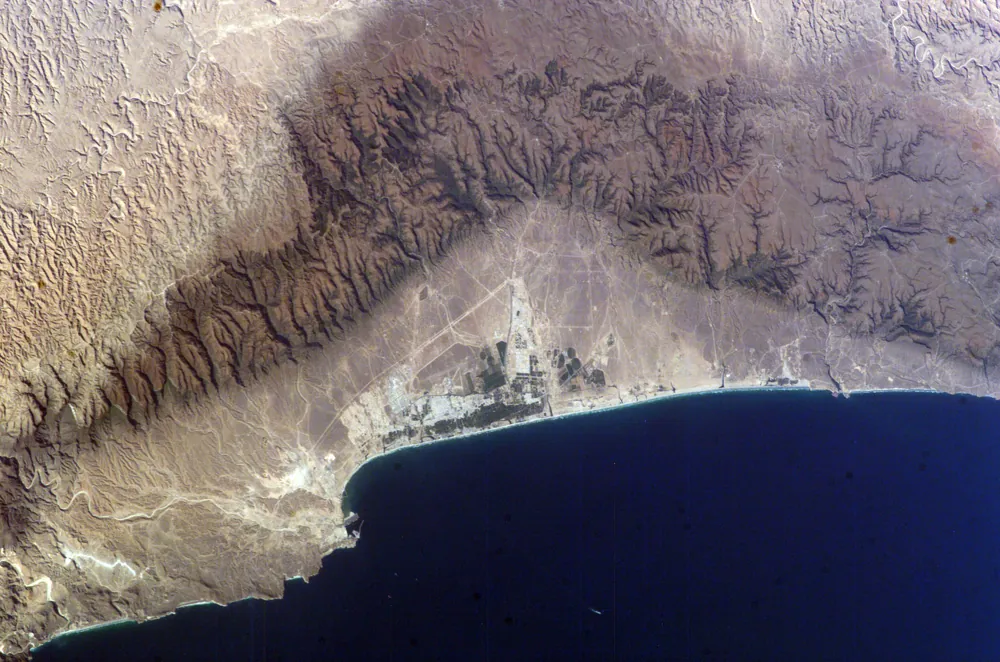
Salalah, the capital of Dhofar Governorate, is about 1,000 kilometres south-west of Muscat and feels like another country. Coconut palms, banana plantations and, for three months a year, green mountains wrapped in mist make it unique in the Arabian Peninsula. It is Oman's second-largest city and its main summer destination.
The khareef
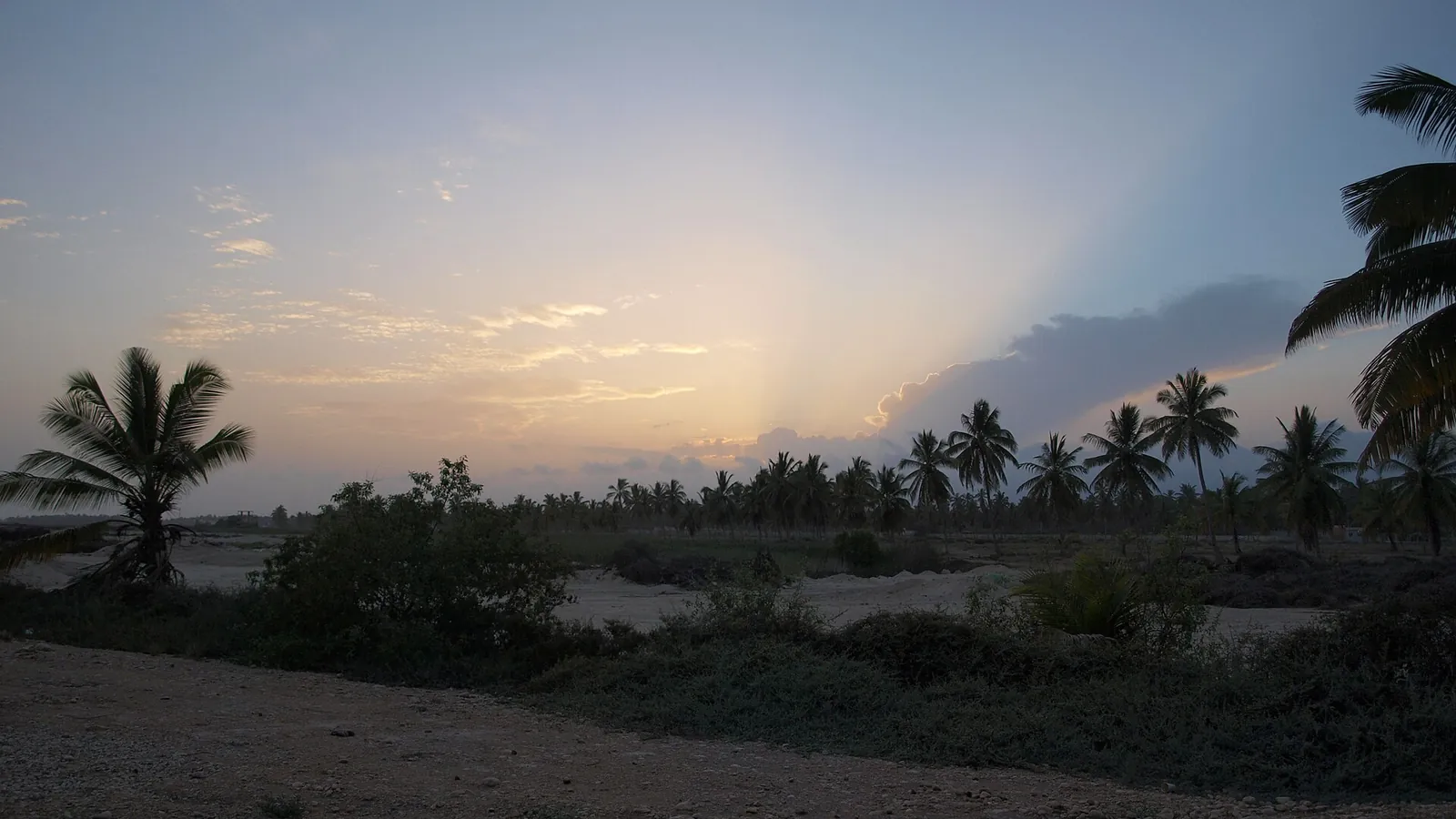
From about late June to mid-September, the south-west monsoon (khareef) brings drizzle, fog and cool air to the Dhofar coast while the rest of the Gulf bakes. Temperatures sit in the mid-20s, the mountains turn green and waterfalls appear at places like Wadi Darbat. Hundreds of thousands of visitors from Oman and the Gulf come for the season, and the Salalah Tourism Festival runs alongside it. Outside the khareef, the winter months bring clear skies and warm beaches.
History: the land of frankincense
Dhofar has traded frankincense for thousands of years. The Land of Frankincense, a UNESCO World Heritage Site, includes the frankincense trees of Wadi Dawkah, the caravan oasis of Shisr and the ancient ports of Khor Rori (Sumhuram) and Al Baleed, whose ruins sit inside an archaeological park and museum in Salalah itself. The city's souqs still sell resin from the surrounding hills.
What to see
- Al Baleed Archaeological Park and the Museum of the Frankincense Land.
- Wadi Darbat and its khareef waterfalls.
- Mughsail beach and its blowholes, west of the city.
- Taqah and Mirbat, historic fishing towns with forts.
- Jebel Samhan and the high plateau with views over the coast.
- Al Haffa souq for frankincense, perfume and local crafts.
Economy
Salalah's economy rests on the Port of Salalah, one of the region's largest container transhipment ports, the Salalah Free Zone, agriculture, fishing and tourism. Salalah International Airport has direct flights to Muscat, the Gulf and seasonal routes further afield.
Living in Salalah
Life is slower and cheaper than in Muscat, with lower rents and a strong local character. The city has international schools, hospitals and malls, but a smaller expatriate community. Summer is mild thanks to the khareef, which makes Salalah one of the most pleasant places in the Gulf from June to September.
Property for foreigners
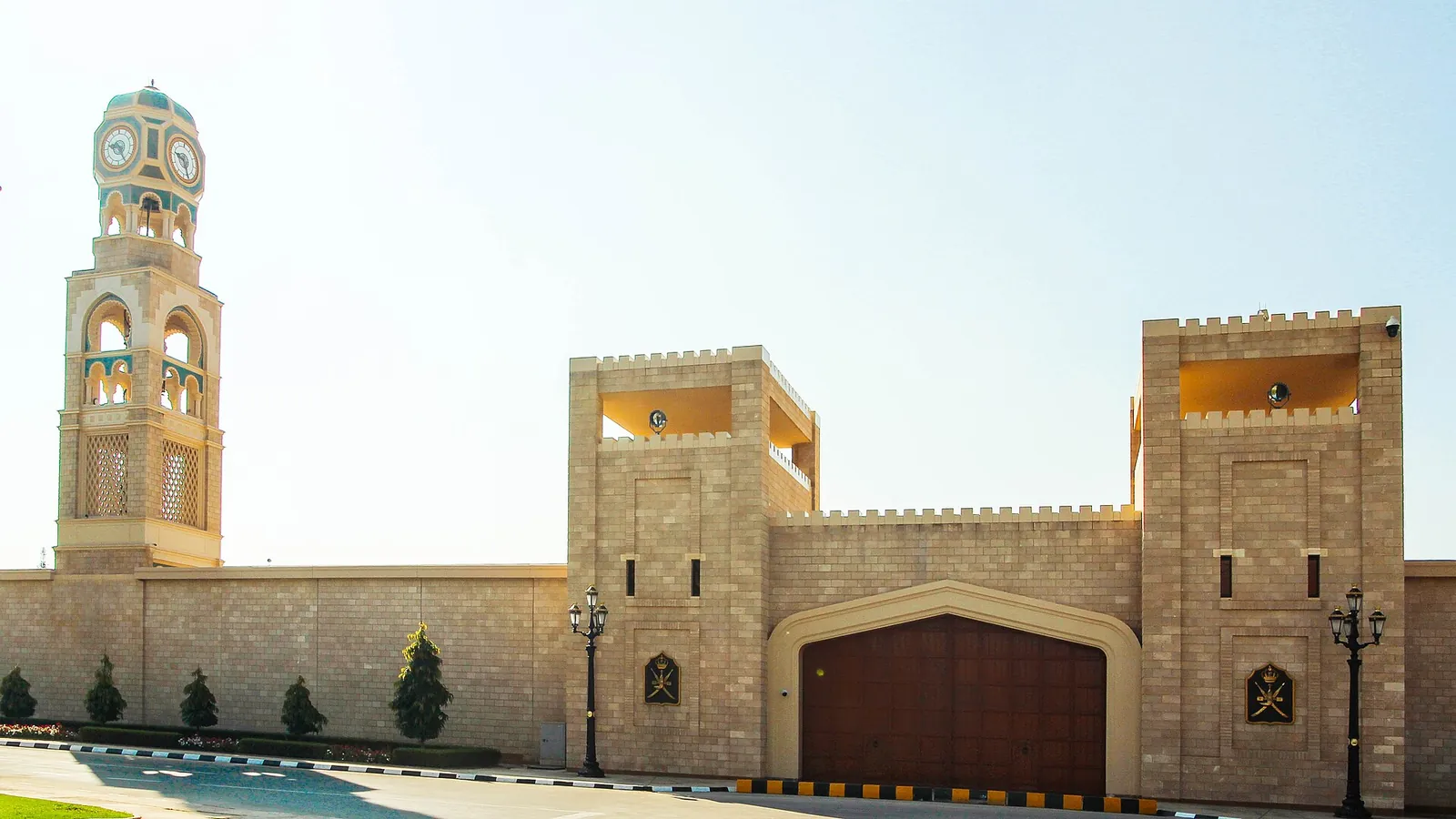
Foreigners can buy in Salalah's Integrated Tourism Complexes, the best known being Hawana Salalah, a beach resort community with a marina and hotels. Many buyers use a Salalah home as a summer residence and rent it out during the rest of the year.
How R2LUX helps
We help clients compare Salalah's seasonal market with year-round demand in Muscat. Three homes available in Muscat's resort communities are listed below.
 Muscat: the complete guide to Oman's capital
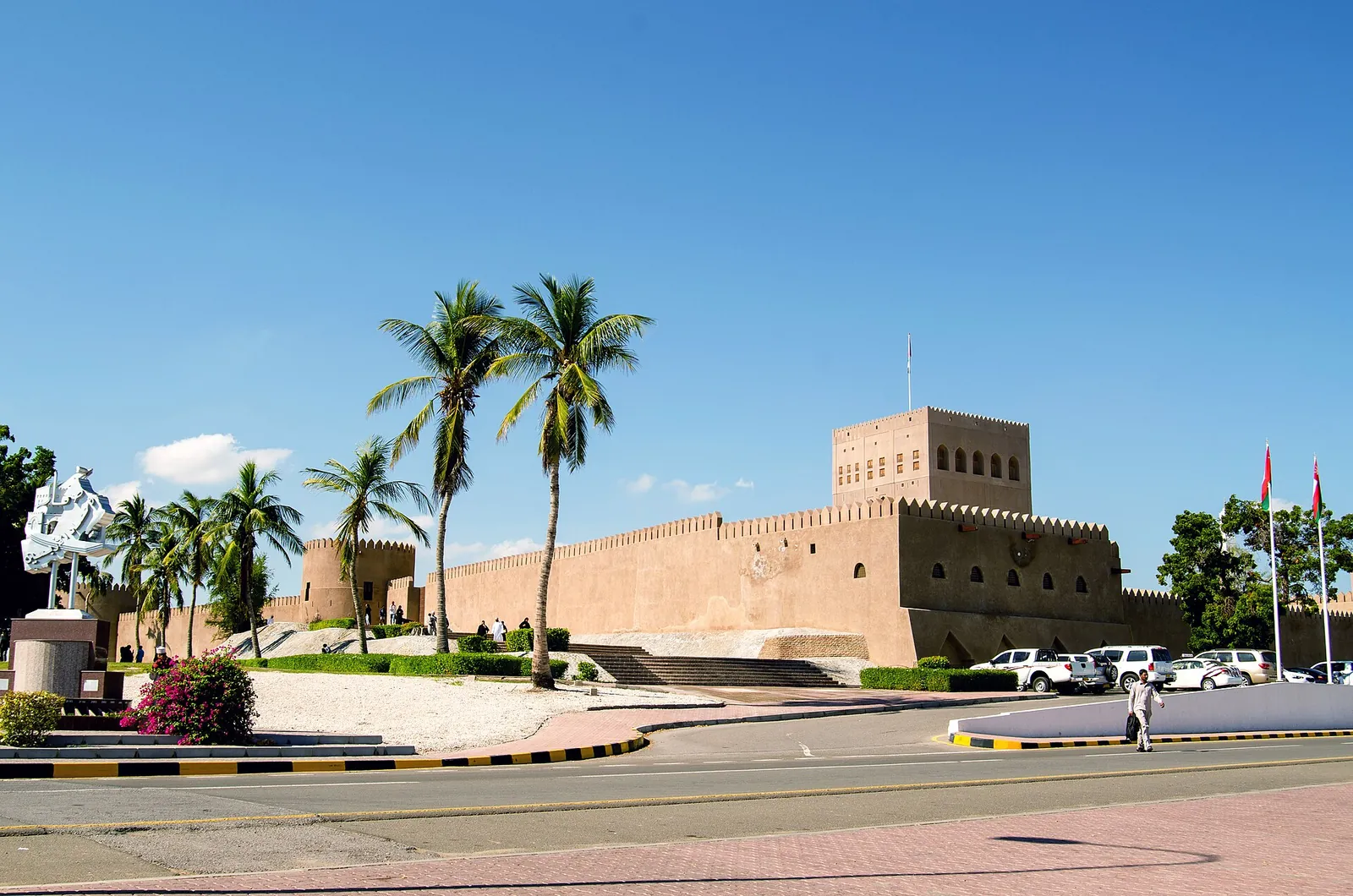 Sohar: Oman's industrial port city and its long seafaring past
 Nizwa: the historic heart of Oman's interior