Old Muscat: palace, forts and museums in the historic walled town
The original Muscat: Al Alam Palace, the Portuguese forts of Jalali and Mirani, Bait Al Zubair and the National Museum.
2026-10-19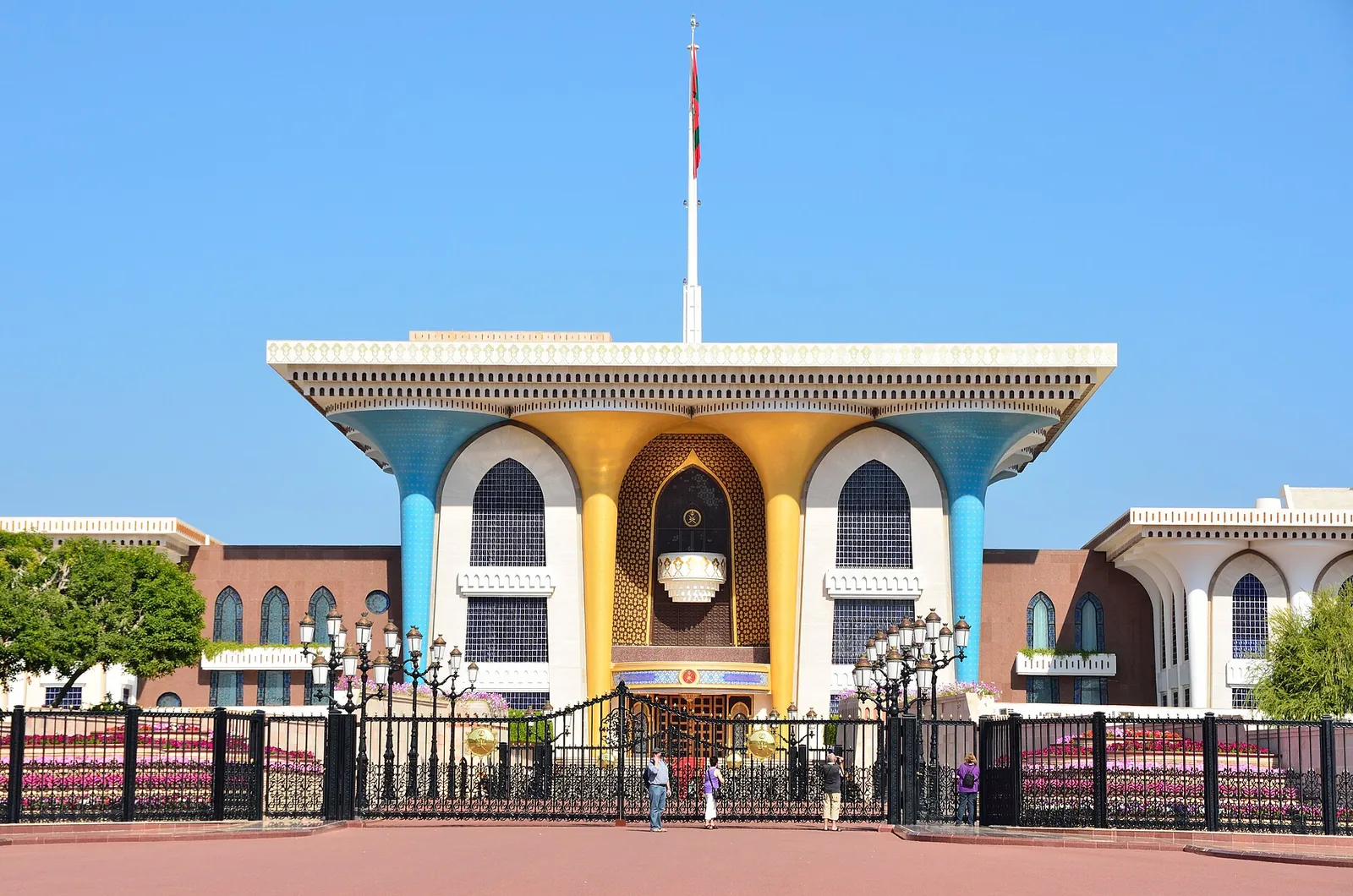
Old Muscat is the small walled town that gave the capital its name. Enclosed by rocky mountains on three sides and the sea on the fourth, it was the seat of the sultans and is now the ceremonial and museum quarter of the city.
What to see
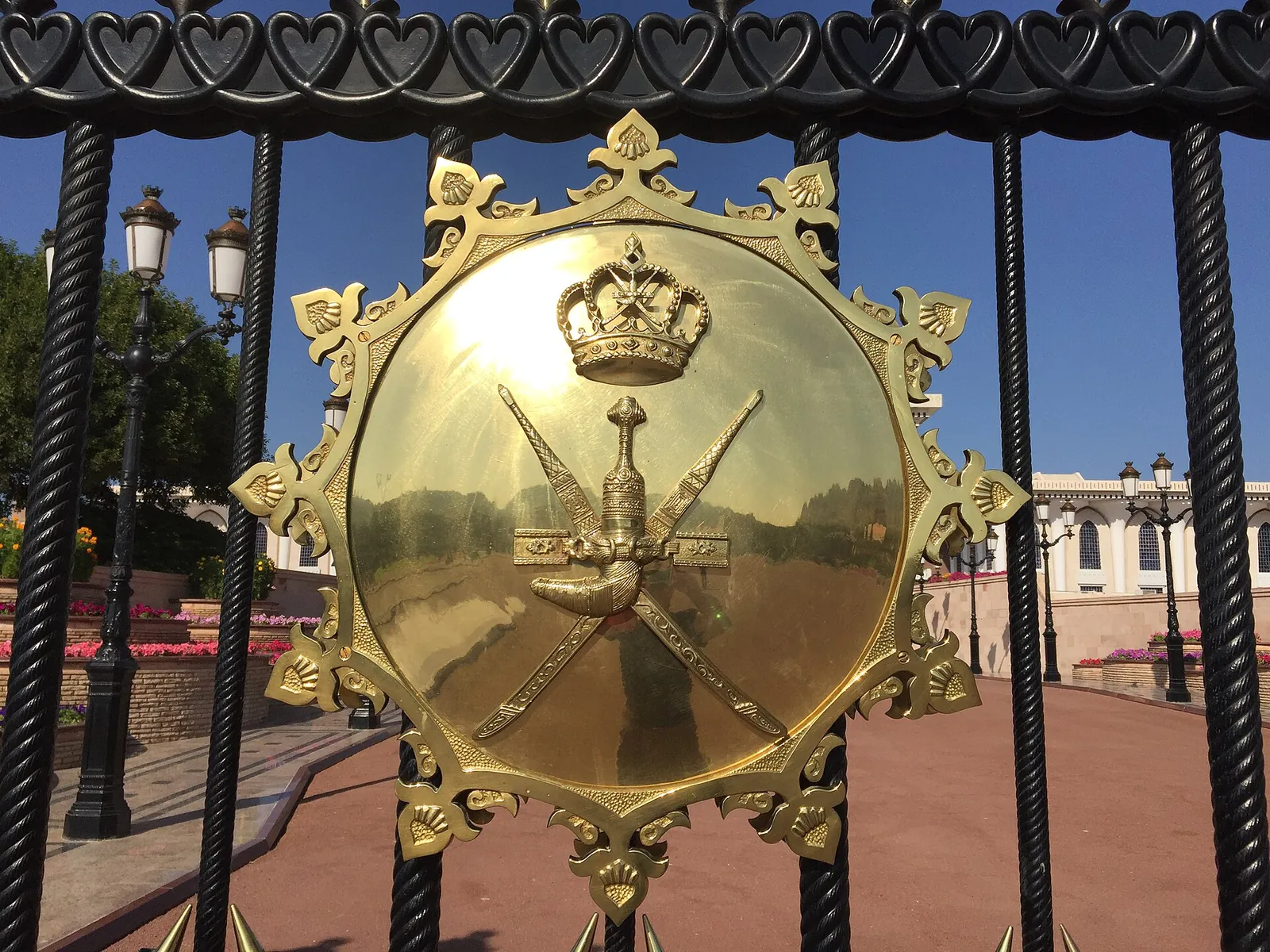
- Al Alam Palace, the Sultan's ceremonial palace, with its blue and gold columns facing a wide square. Visitors can see it from outside the gates.
- Al Jalali and Al Mirani forts, built by the Portuguese in the 16th century, guarding the harbour on either side of the palace.
- The National Museum of Oman, the country's main museum, covering history from prehistory to today.
- Bait Al Zubair, a private museum of Omani heritage, costume and weapons in a restored family house.
- The old gates and walls, including Bab Al Kabir and Bab Al Mathaib.
Visiting
Old Muscat is about ten minutes from Muttrah by the coastal road. Mornings and late afternoons are best, especially in summer. Combining the palace square, the National Museum and Bait Al Zubair makes an easy half day.
Living there
Old Muscat is largely government, palace and museum land with very little housing. It is a place to visit, not to live.
How R2LUX helps
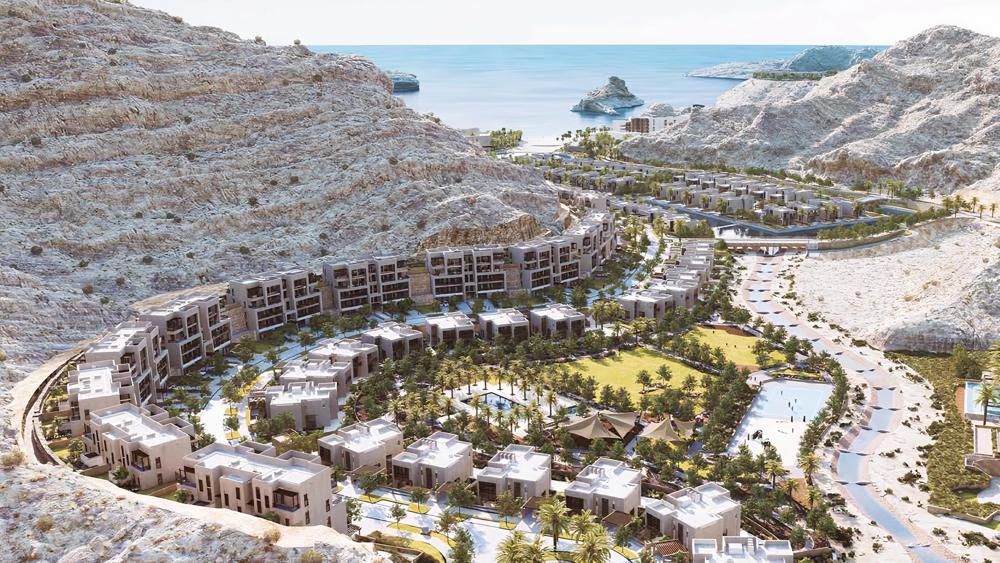
The historic east of Muscat is ten to twenty minutes from Muscat Bay and Muttrah's new waterfront homes. Current listings are below.
 Where to live in Muscat: a neighbourhood-by-neighbourhood guide
 Qurum: Muscat's central beachfront district
 Shatti Al Qurum: opera, hotels and beach living in Muscat