
Oman's climate and weather: a month-by-month guide
What the weather is like in Oman: hot summers, mild winters, the Dhofar khareef, cool mountains, rain, cyclones and the best time to visit or move.
2026-10-19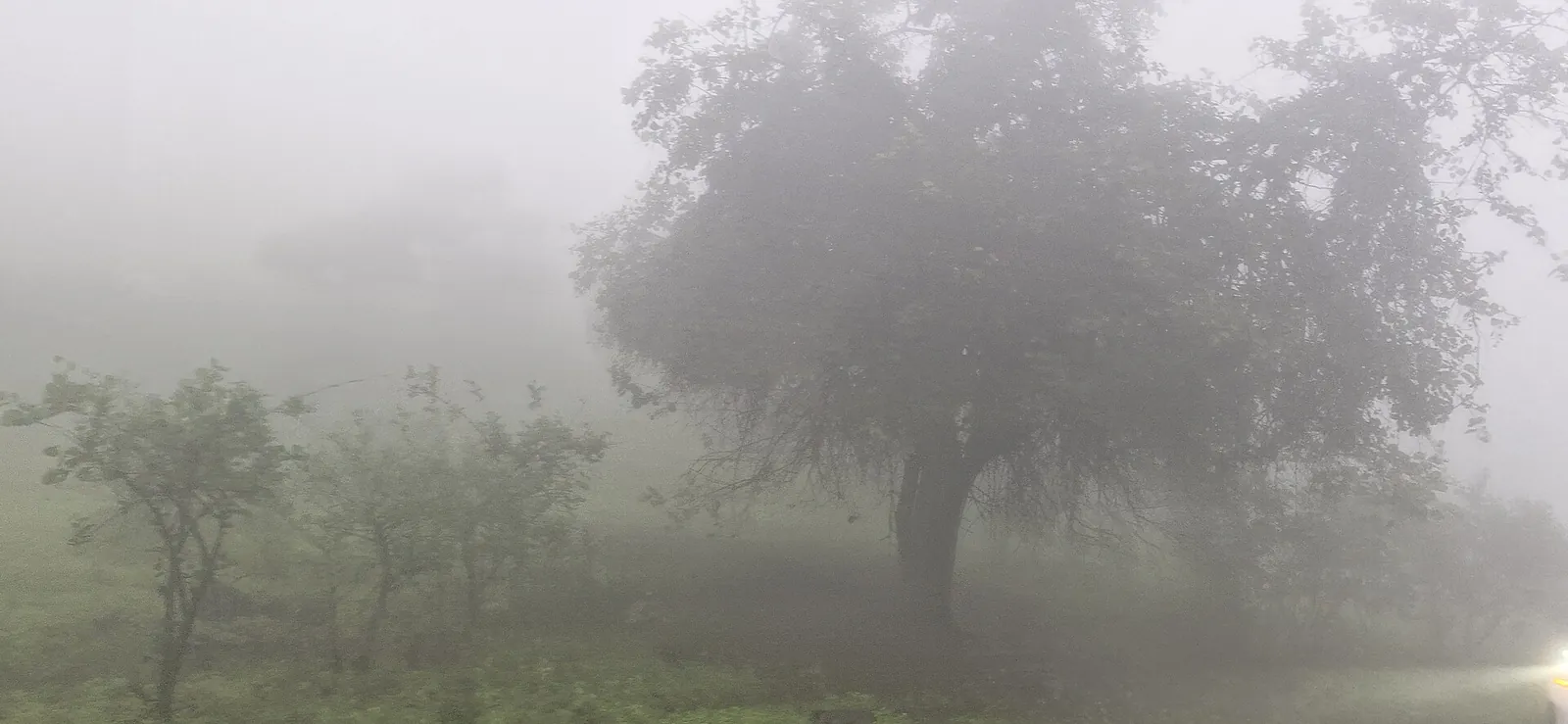
Oman has a hot, dry climate with big regional differences. The coast is humid, the interior is desert, the mountains are cool, and Dhofar in the south has its own monsoon.
Muscat and the north coast
- October to April: warm and sunny, with daytime highs of roughly 25–32°C. This is the main season for visitors and outdoor life.
- May to September: very hot, often above 40°C, with high humidity on the coast. Life moves indoors, to air-conditioned homes, cars and malls.
The interior
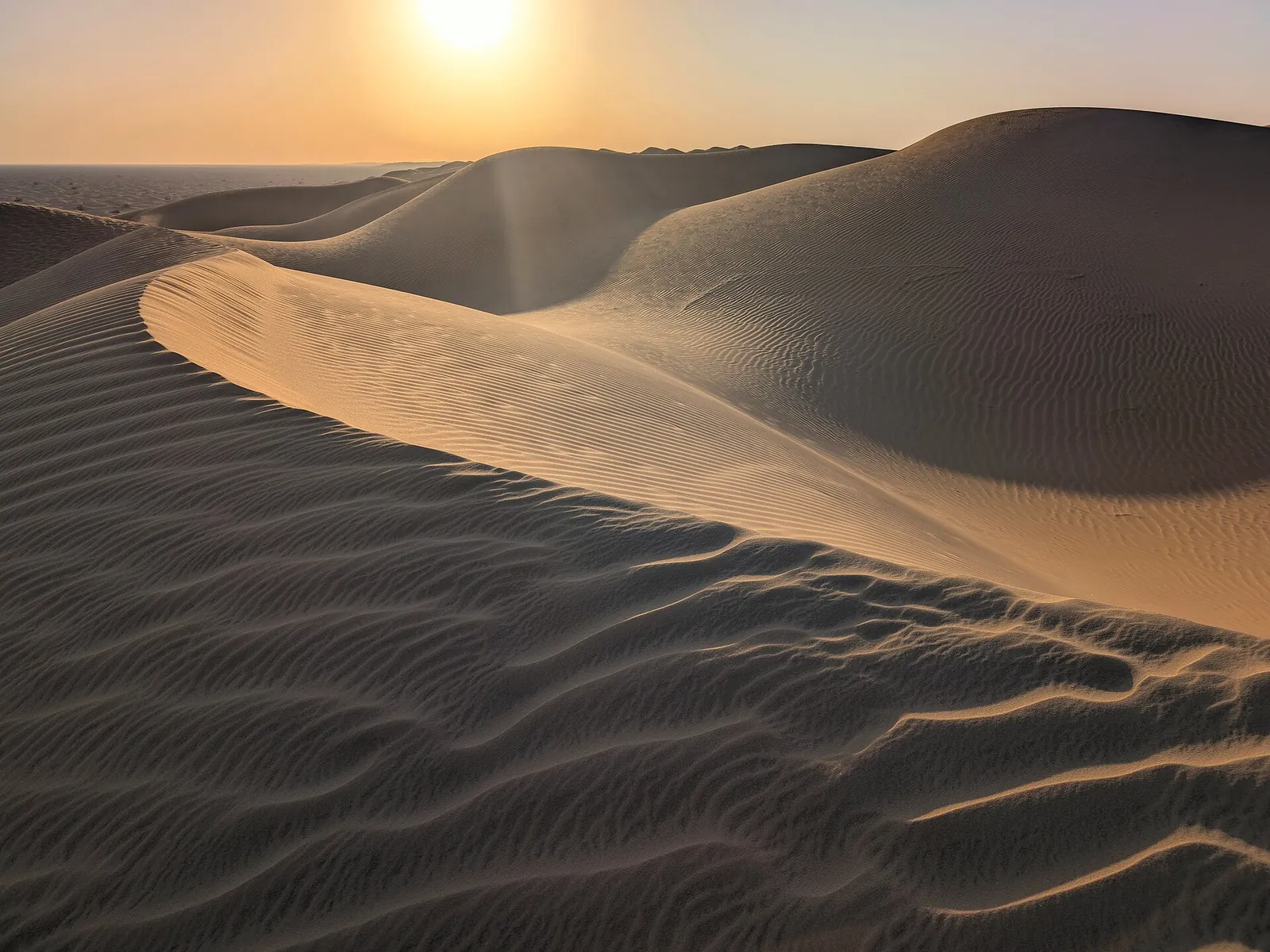
Nizwa, Ibri and the desert are drier and even hotter in summer, sometimes approaching 50°C, but nights in winter can be cool.
The mountains
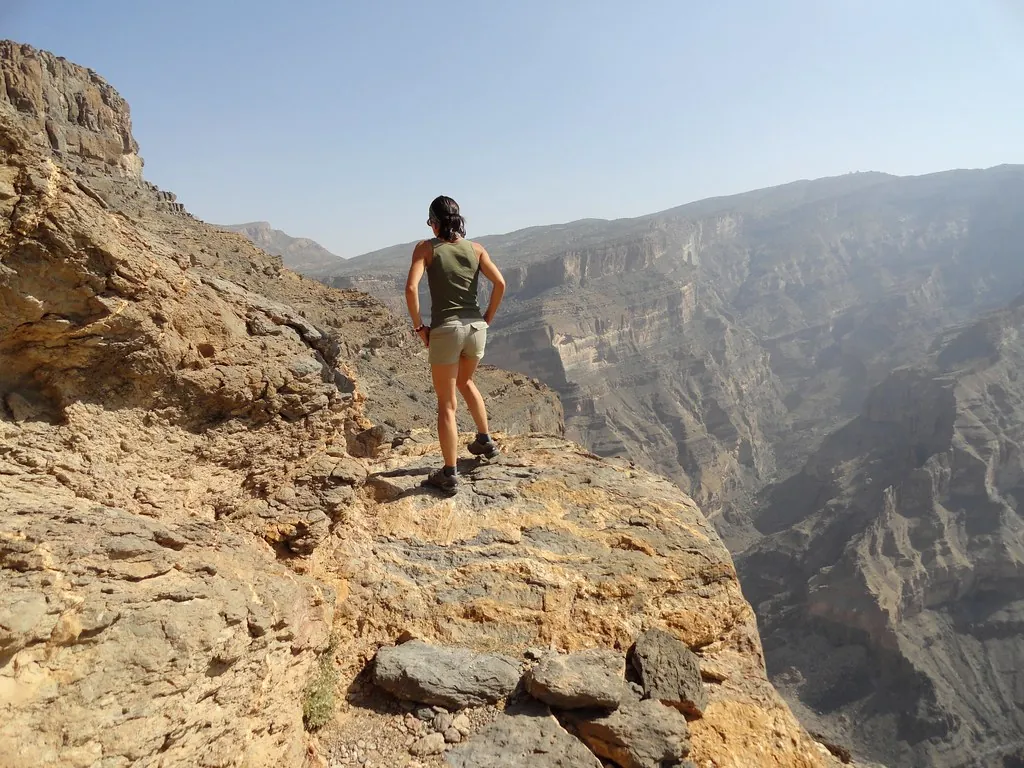
On Jebel Akhdar and Jebel Shams at around 2,000–3,000 metres, summer is pleasant and winter nights can drop close to or below freezing.
Dhofar and the khareef
From about June to September, the south-west monsoon brings mist, drizzle and temperatures in the 20s °C to Salalah. The mountains turn green, and the region becomes a summer escape for visitors from across the Gulf.
Rain, floods and cyclones
Rain is rare and falls mostly in winter, often in short heavy storms that cause flash floods in wadis. Never cross a flowing wadi. Tropical cyclones occasionally reach the coast, as Gonu did in 2007 and Shaheen in 2021.
What it means for homes
Good insulation, efficient air conditioning, shaded parking and sea breezes matter. Many new communities are designed with these in mind.
Thinking of living in Oman?
R2LUX helps foreigners buy homes, with residency, in the communities where they can own. Three current listings are below.
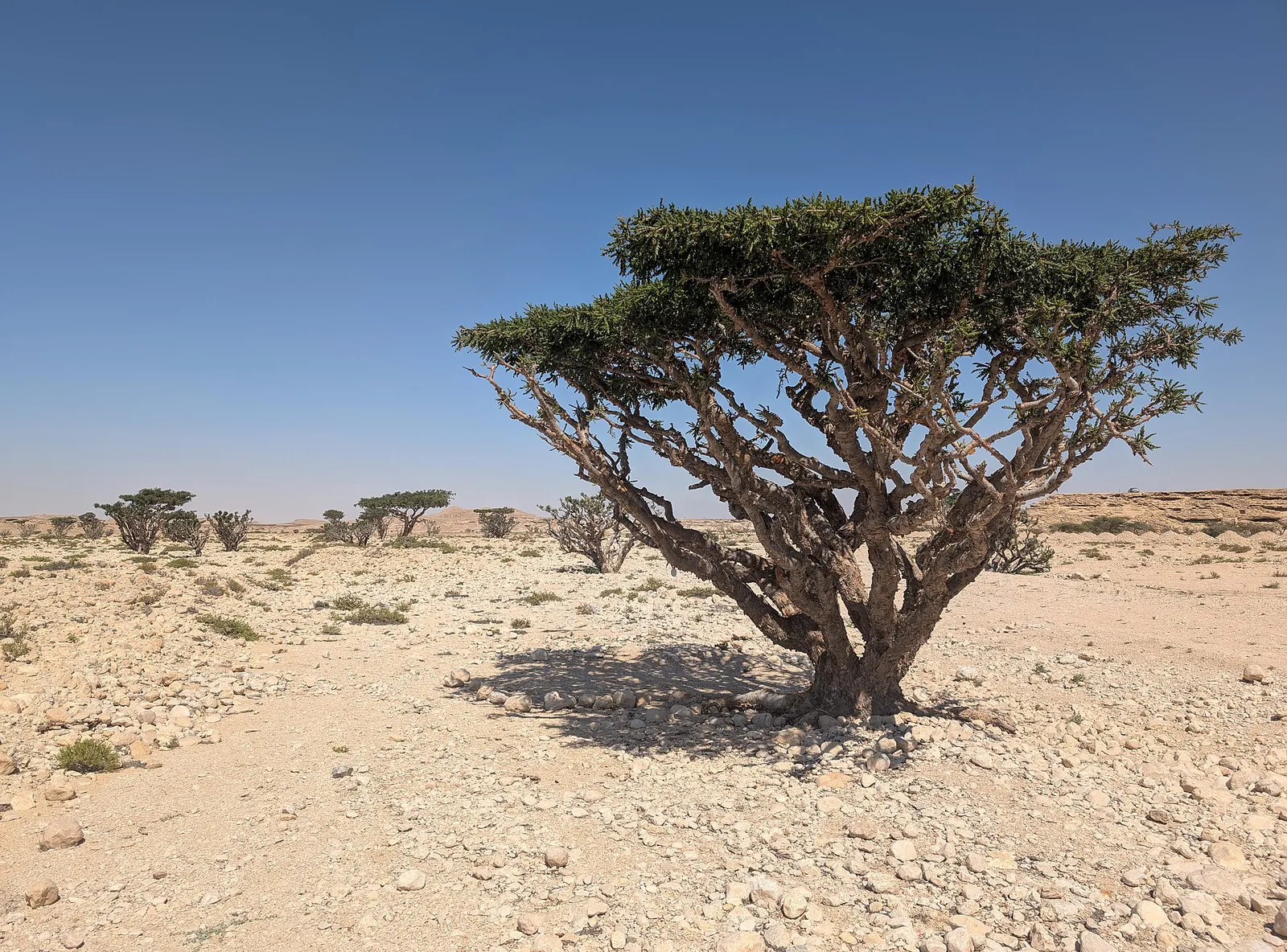 Plants and vegetation of Oman: palms, frankincense and green mountains
 How Oman is governed: the Sultan, the Council of Oman and the Basic Law
 Is Oman safe? Security, crime and safety tips