
Plants and vegetation of Oman: palms, frankincense and green mountains
Oman's plant life: date palm oases, frankincense trees, ghaf and acacia, the Dhofar cloud forest, mangroves and the terraced gardens of Jebel Akhdar.
2026-10-19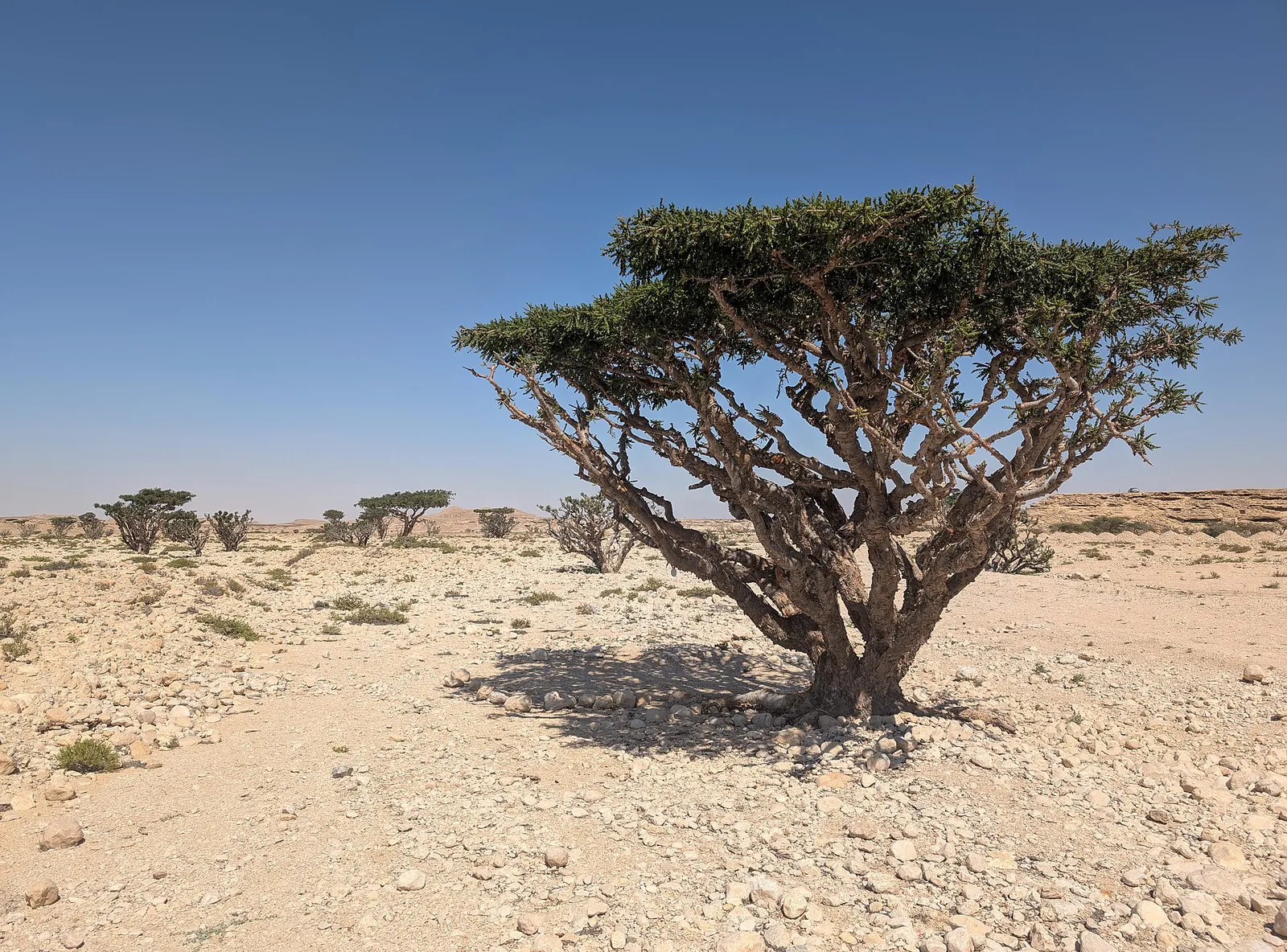
Despite its dry climate, Oman has a surprising variety of plant life, with more than a thousand native species adapted to desert, mountain, coast and monsoon.
Date palm oases
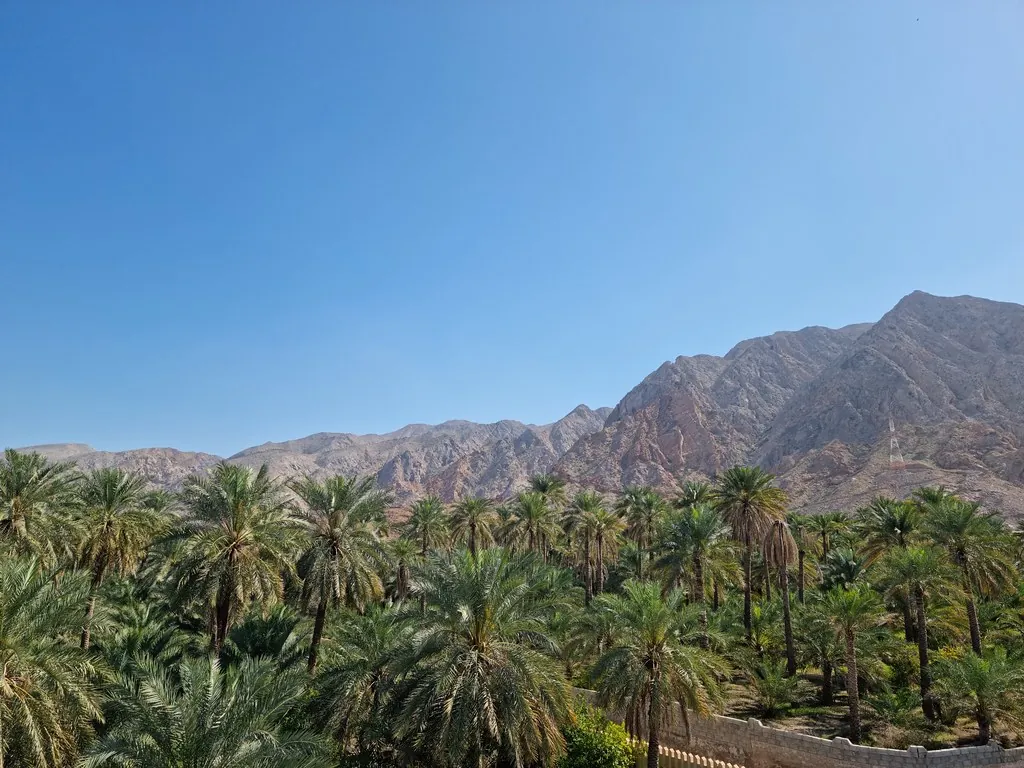
The date palm is the heart of traditional Omani agriculture. Millions of palms grow in oases watered by aflaj, ancient irrigation channels, five of which are a UNESCO World Heritage Site.
Frankincense
The frankincense tree (Boswellia sacra) grows in the dry valleys of Dhofar. Its resin made the region rich for thousands of years, and the Land of Frankincense sites are also listed by UNESCO.
Desert trees
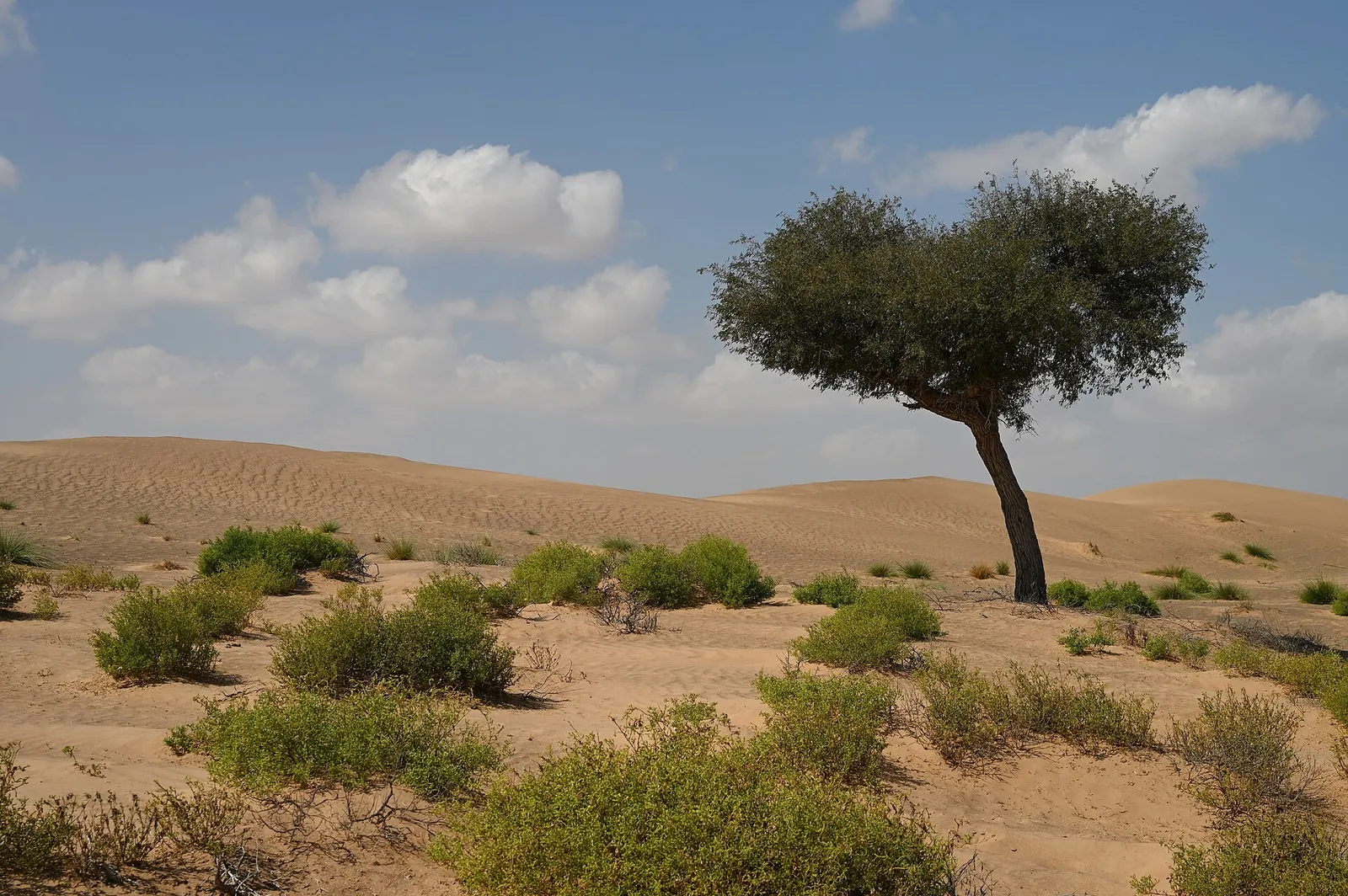
- Ghaf (Prosopis cineraria), a deep-rooted evergreen.
- Samr acacias and sidr (Ziziphus) trees, valued for shade, fodder and honey.
The khareef forest
The monsoon creates a green belt of woodland, grassland and waterfalls in the mountains above Salalah from June to September.
Mangroves
Grey mangroves grow in coastal lagoons such as Qurum in Muscat and along the Batinah and Al Wusta coasts. They are protected nurseries for fish and birds.
Mountain gardens
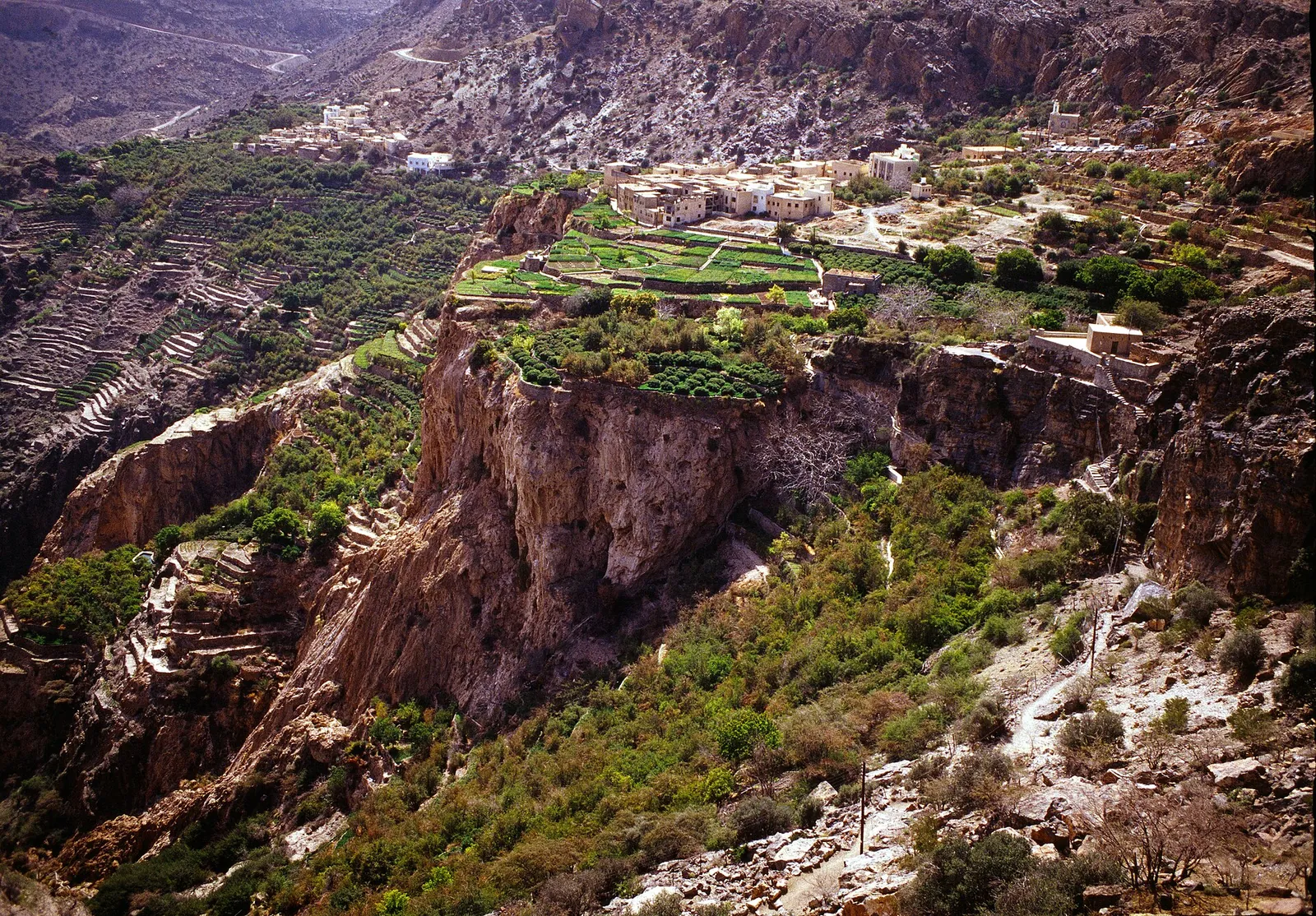
On Jebel Akhdar, terraced villages grow pomegranates, walnuts, apricots and the famous damask roses used for rose water.
Thinking of living in Oman?
R2LUX helps foreigners buy homes, with residency, in the communities where they can own. Three current listings are below.
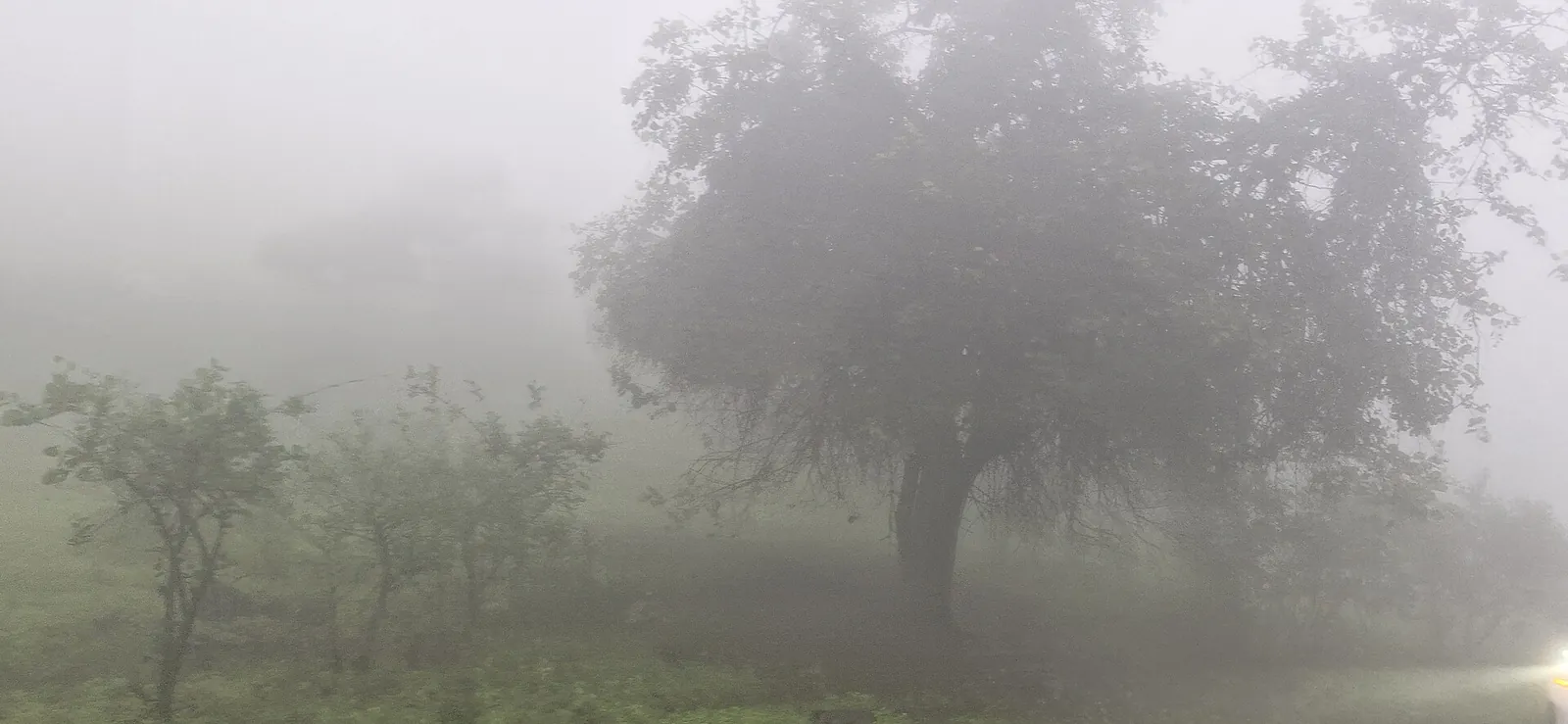 Oman's climate and weather: a month-by-month guide
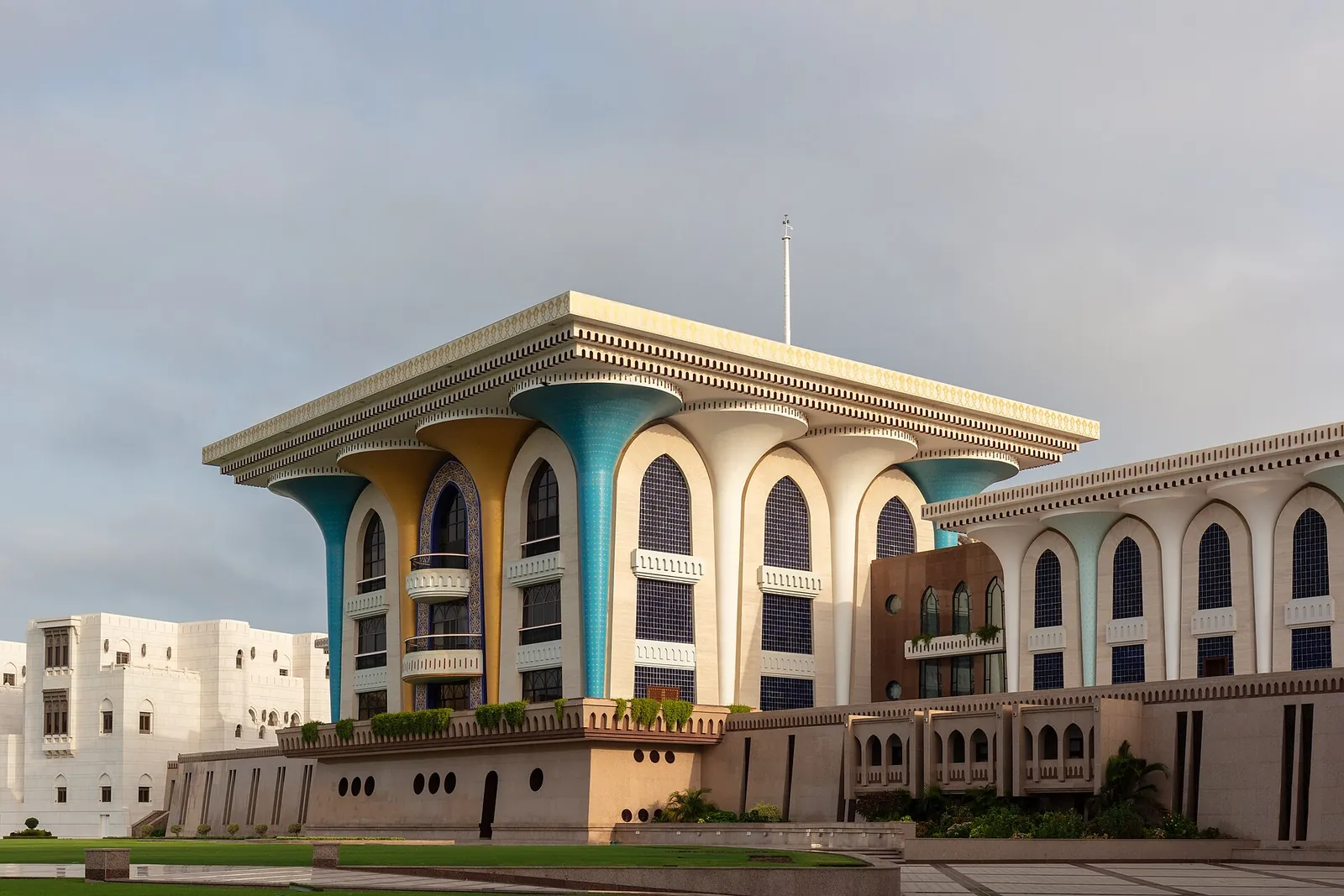 How Oman is governed: the Sultan, the Council of Oman and the Basic Law
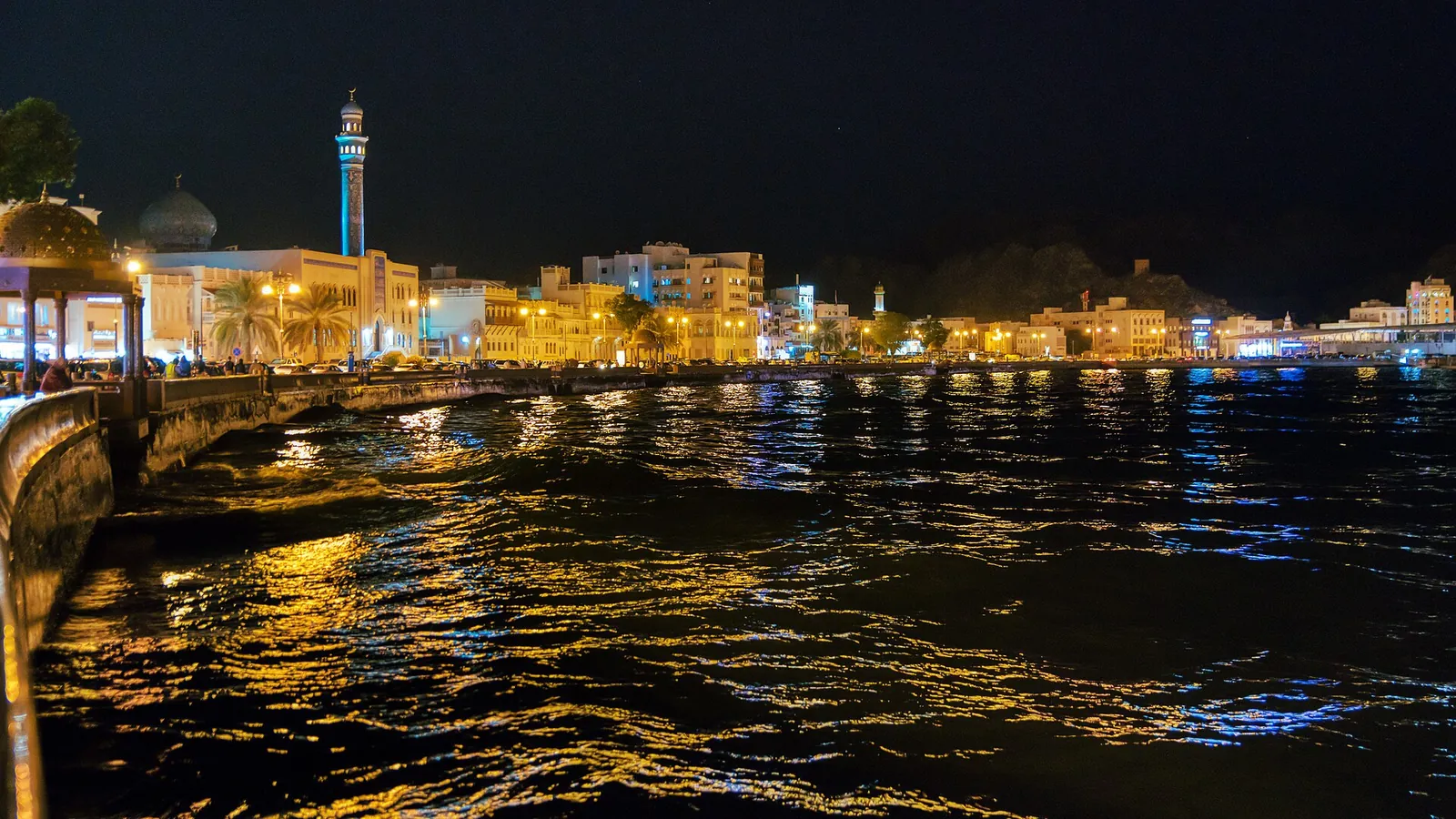 Is Oman safe? Security, crime and safety tips