Roads and highways in Oman: a driver's guide
Oman's motorway network explained: the main expressways, travel times between cities, driving rules, speed cameras, fuel and tips for new residents.
2026-10-19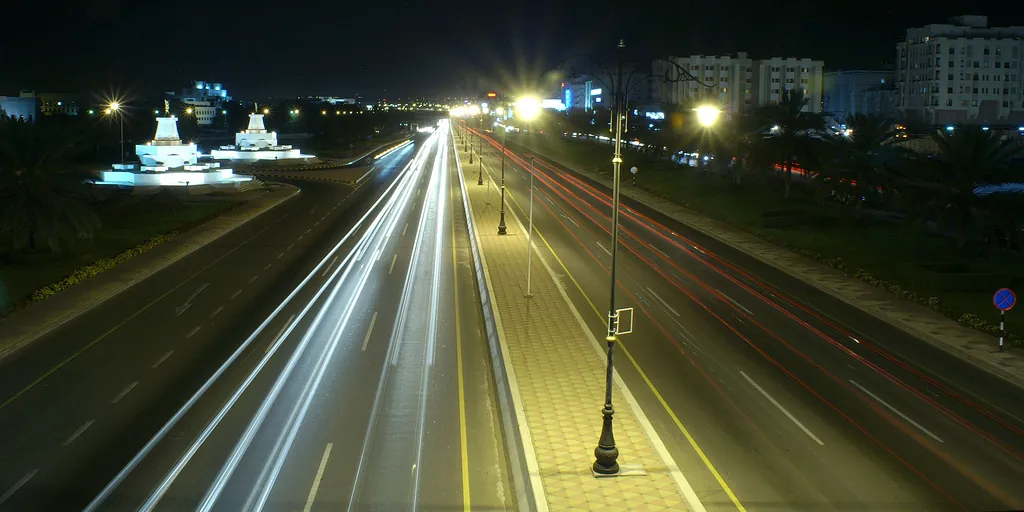
Oman has one of the best road networks in the region. In the early 1970s the country had only about 10 kilometres of paved road; today modern dual carriageways and expressways connect every governorate.
The main routes
- Sultan Qaboos Street: the coastal spine of Muscat from Ruwi to Seeb.
- Muscat Expressway: 54 km inland bypass from Qurum to Halban.
- Batinah Expressway: 270 km from Halban to the UAE border at Khatmat Malaha.
- Sharqiyah Expressway: 191 km from Bidbid towards Sur.
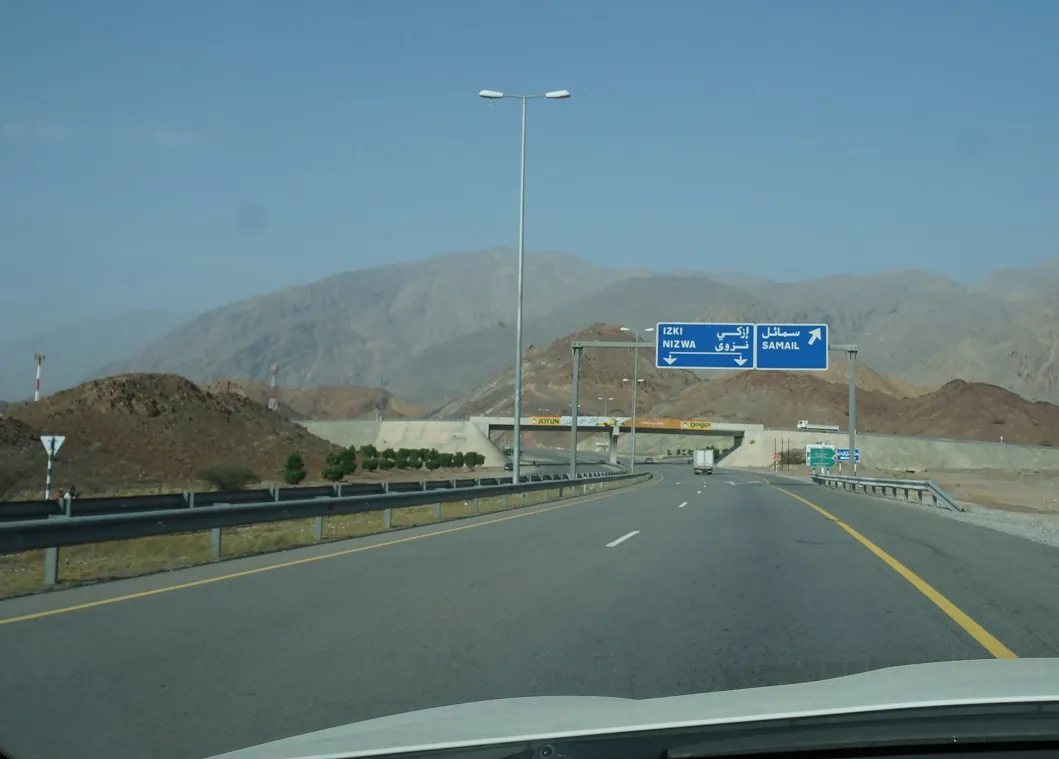
- Muscat–Nizwa road: dual carriageway to the interior.
- Adam–Thumrait road: the long desert route to Salalah.
- Empty Quarter road: the direct link to Saudi Arabia from Ibri.
Typical driving times from Muscat
- Nizwa: about 1.5 hours
- Sohar: about 2 hours
- Sur: about 2 to 2.5 hours
- Salalah: about 10 to 12 hours
Rules of the road
- Traffic drives on the right. Seat belts are compulsory and using a handheld phone is banned.
- Speed limits are usually 120 km/h on expressways and lower in towns; speed cameras are everywhere.
- Visitors can drive with a valid licence from many countries; residents must obtain an Omani licence.
- Keep your car clean: driving a very dirty vehicle can be fined.
- Watch for camels and goats on rural roads, especially at night.
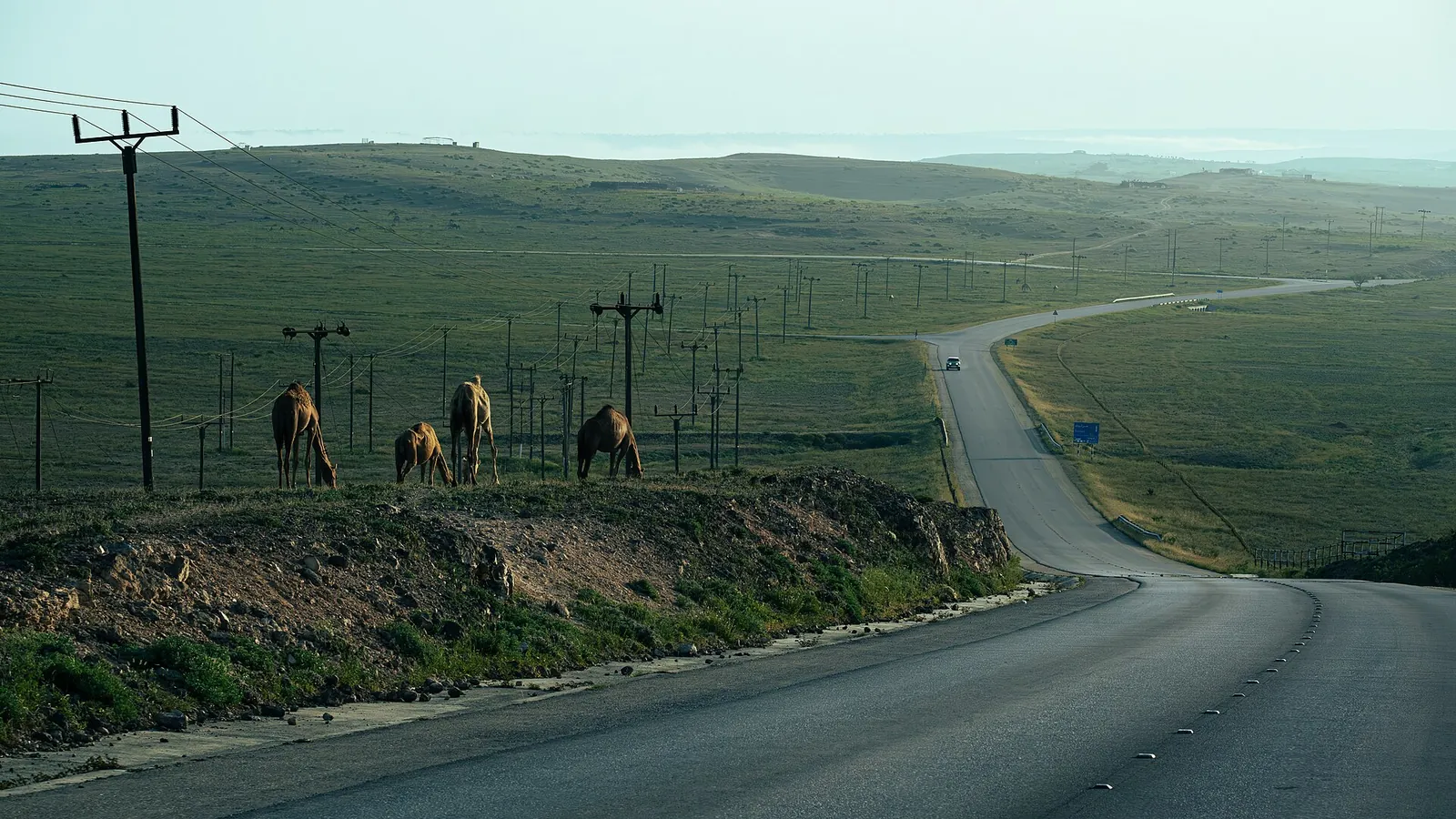
Fuel
Fuel is inexpensive by international standards and stations are frequent on main roads, but fill up before long desert stretches.
Living near the main roads
Good road links shape property values in Muscat. R2LUX sells homes in communities where foreigners can own, close to the city's main routes; three current listings are below.
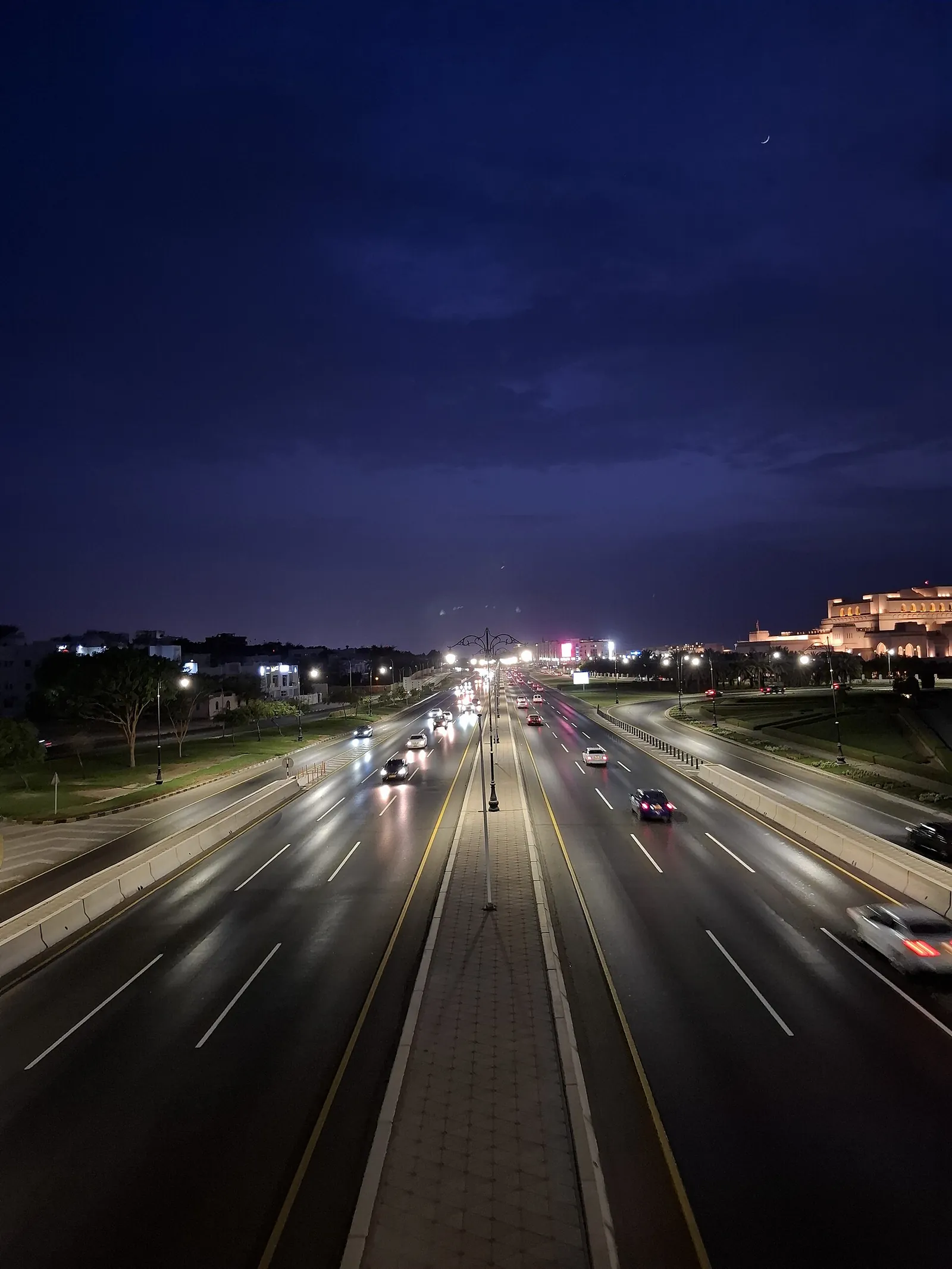 Sultan Qaboos Street: Muscat's main road
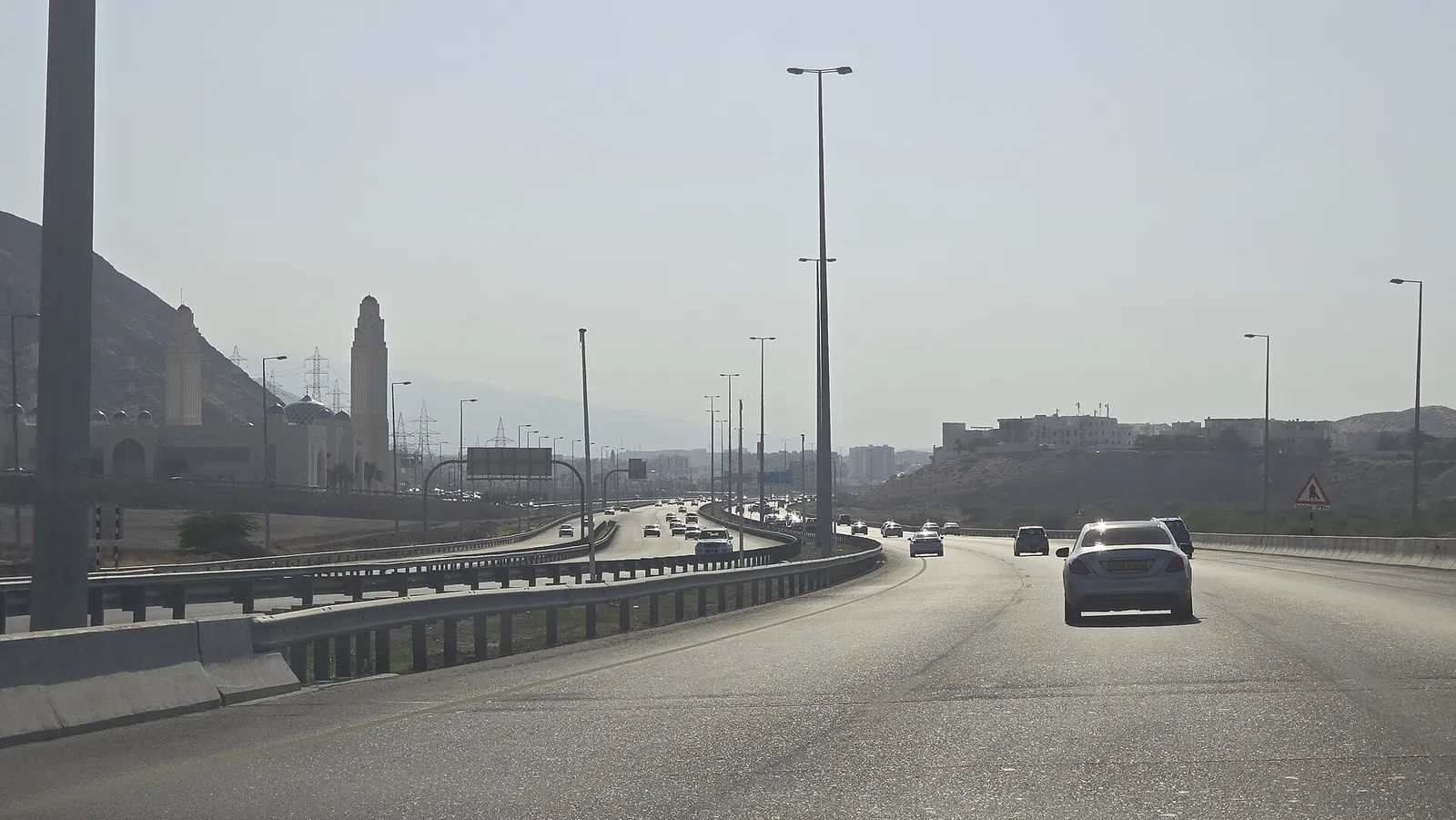 Muscat Expressway: the city's inland bypass
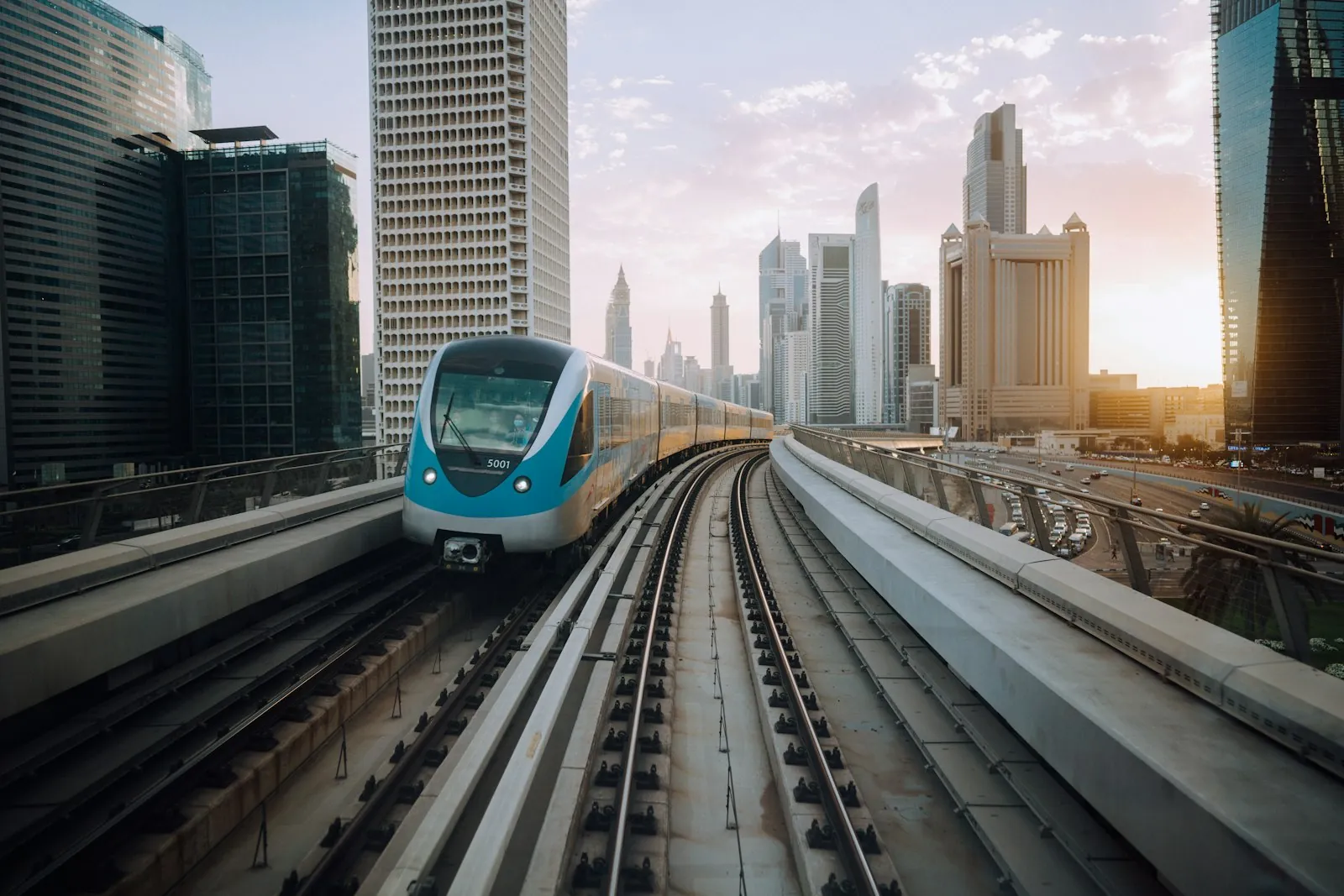 Metro, trains and buses in Oman: Muscat Metro and Hafeet Rail