Omani culture: hospitality, heritage and everyday life explained
What makes Oman different: Ibadi tradition, hospitality and coffee, dress, food, music, festivals and family life, explained for newcomers and buyers.
2026-10-19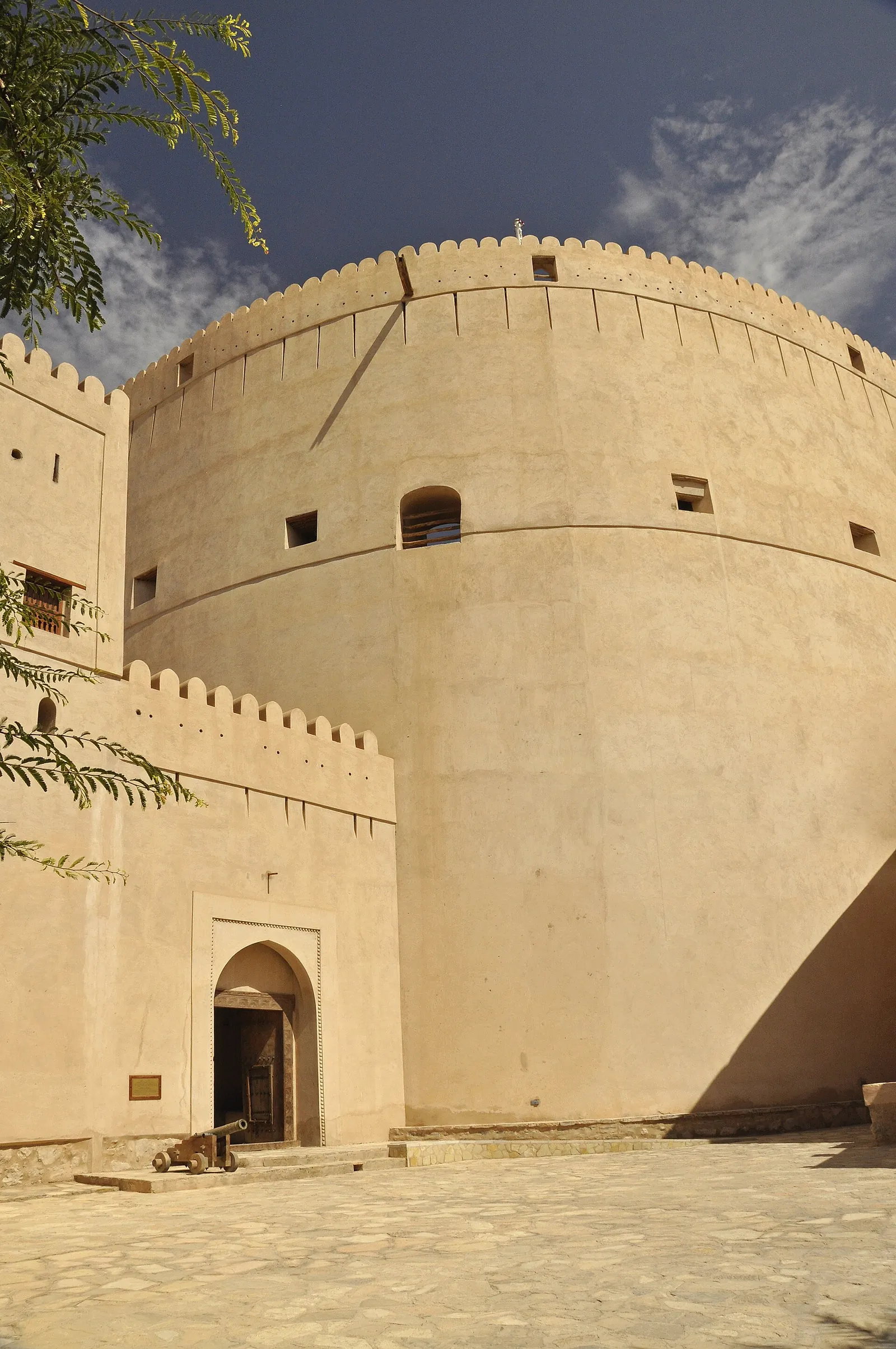
Oman is often described as the most traditional and the most welcoming country in the Gulf. Its culture grew from a long maritime history that reached East Africa and India, mountain oasis life in the interior and the desert traditions of the Bedouin. Understanding it makes living, working and investing there much easier.
Identity and history
Omanis are proud of a history that includes an empire stretching to Zanzibar and the coast of East Africa, centuries of seafaring and trade, and independence from foreign rule for most of its modern history. The renaissance that began in 1970 under Sultan Qaboos built the modern state while deliberately preserving heritage: forts were restored, traditional architecture encouraged and Omani dress kept as everyday wear.
Religion
Islam is the state religion. Most Omanis follow the Ibadi school, a distinct and tolerant branch of Islam with roots in the earliest Islamic period, alongside Sunni and Shia communities. Religious tolerance is a source of national pride: churches and Hindu temples operate openly in Muscat, and sectarian discourse is strongly discouraged.
Hospitality
Hospitality is the heart of Omani culture. A guest is offered kahwa, light coffee flavoured with cardamom and sometimes rose water, served in small cups with dates and often halwa, the sticky Omani sweet. Accept at least one cup; when you have had enough, gently shake the cup from side to side before handing it back.
Dress
Omani men wear the dishdasha, a collarless ankle-length robe, usually white, with an embroidered cap (kumma) or a turban (massar). On formal occasions the khanjar, the curved silver dagger that appears on the national emblem, is worn at the waist. Women wear colourful traditional dress at home and in villages, and often an abaya in public. Each region has its own styles and embroidery.
Food
Omani food is mildly spiced and influenced by India and East Africa. Classics include shuwa, lamb marinated in spices and slow-cooked for up to two days in an underground pit for Eid, maqbous (spiced rice with meat or fish), harees (wheat and meat porridge), fresh fish and mashuai (grilled kingfish with rice). Dates and halwa accompany every visit.
Music, arts and crafts
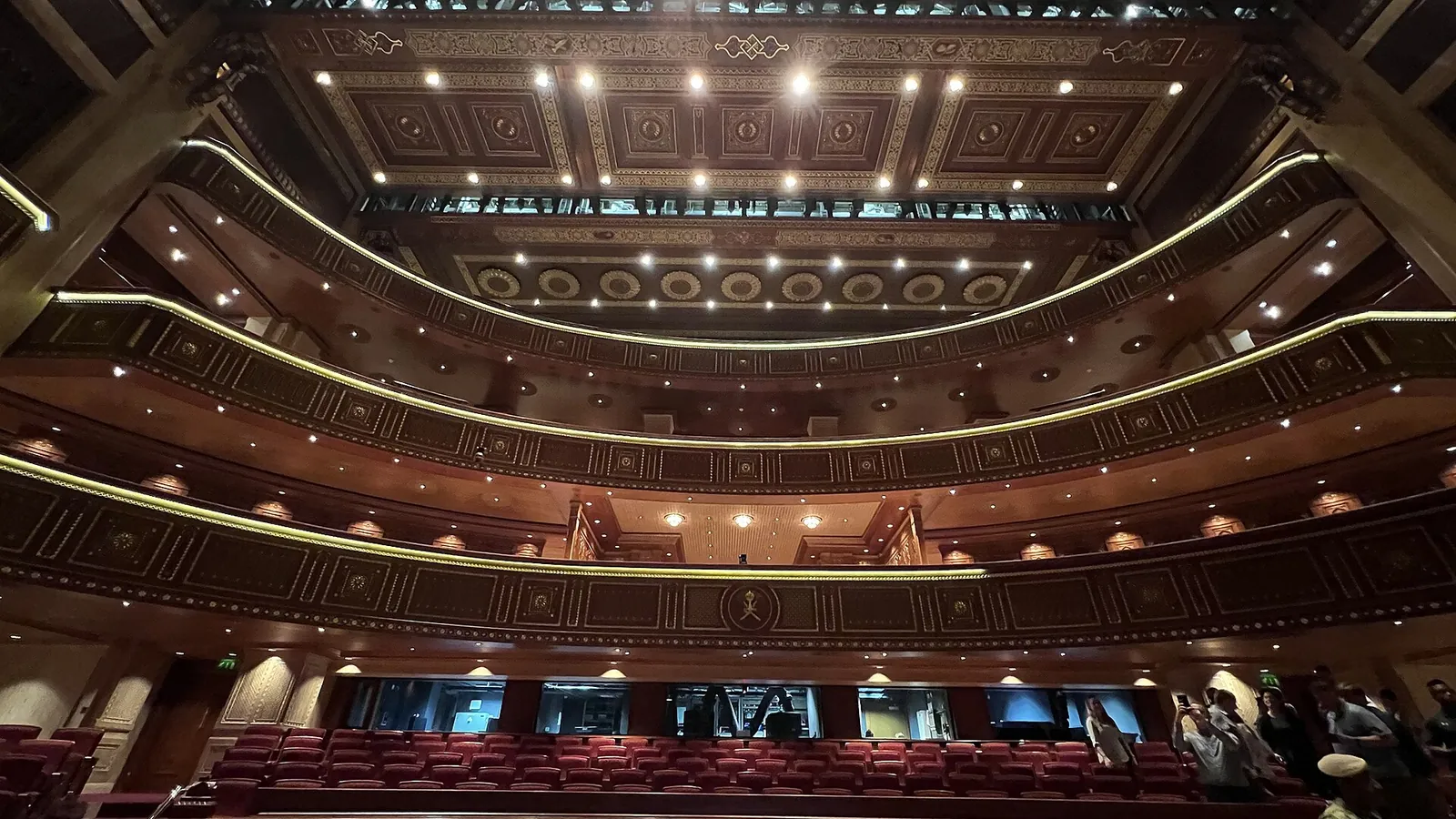
Traditional music and dance accompany weddings and festivals, from the sword dances of the interior to the drumming of the coast. Crafts include silverwork, pottery from Bahla, weaving, frankincense burners and dhow building in Sur. The Royal Opera House Muscat has added international opera, ballet and concerts to the cultural scene.
Festivals and holidays
The Islamic calendar shapes the year: Ramadan, Eid al-Fitr and Eid al-Adha are the most important times for family. National Day in November is celebrated with flags and lights, and the khareef season in Salalah and winter festivals in Muscat bring events and markets.
Family and society
Family is central, and extended families often live close together. Society is conservative but courteous; modesty, respect for elders and calm, indirect communication are valued. Foreigners who show respect for these values find Omanis friendly and generous.
How R2LUX helps
Many of our clients choose Oman precisely for this calm, family-centred way of life. Three homes in communities popular with international families are below.
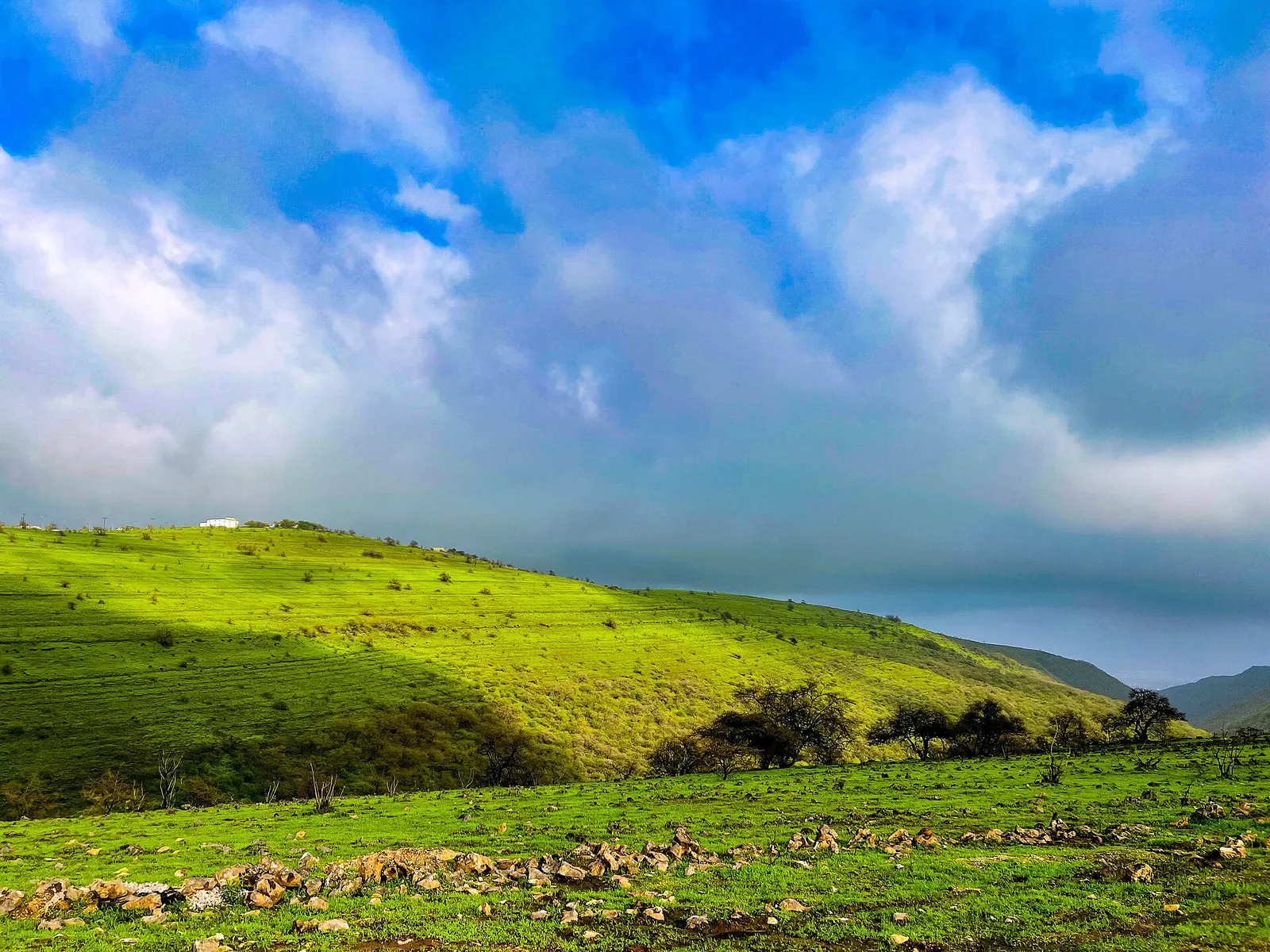 Etiquette in Salalah and Dhofar: customs of Oman's south